Dhow

Dhow

Damaniyat-island

Damaniyat-island

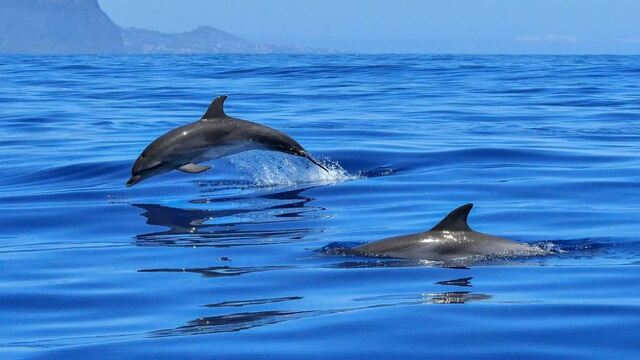
Dolphins

Dolphins

Dhow Damaniyat-island Dolphins

Sea

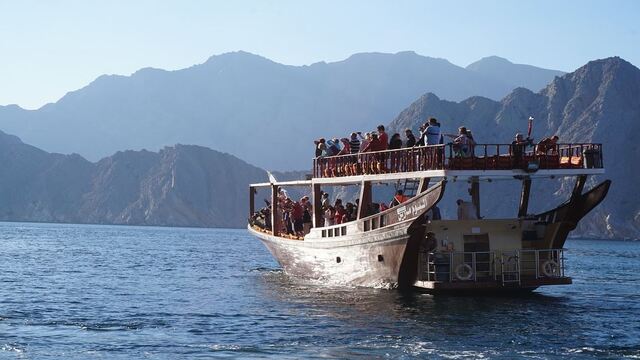
Dhow cruise lunch:- If you want to try out the local food of Dhow in Khasab, then going for Dhow cruising lunch facilities might be ideal for you. All you have to do is to contact some guides for pre-booking services and get tickets to your amazing cruising lunch.

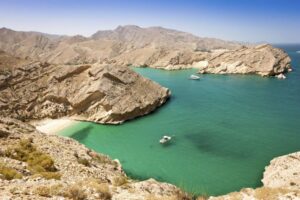
The dolphin watching and snorkeling tour :- Starts from Marina Bandar in the private yacht or sharing yacht, Muscat’s waters are teeming with wildlife, including whales, dolphins, turtles, all kinds of wild fish, and tropical fish swimming around coral reefs. Even if you’re unlucky and don’t see dolphins, the coastline is great and snorkeling is fine. You can swim in the sea every day of the year and see dolphins almost every day. Once you spot the dolphins, watching their acrobatic performance is thrilling. You can see many kinds of tropical fish and you may even see one or two turtles grabbing food on the reef. Snorkeling is available most days of the year.

Islands:- Explore the Dimaniyat Islands, one of Oman’s gems; on your boat excursion, set sail from Muscat. You get the opportunity to witness the profusion of marine life while snorkeling in a lovely nature reserve that is UNESCO-protected. The driver shall pick you up in Muscat near the Al Seeb neighborhood to start your day, and then take you to the harbor to commence the 43.5 mile/ 70 km north-western voyage to the Dimaniyat Islands. Moreover, you may savor complimentary water and soft drinks while on board, delighting in Muscat’s lovely scenery and shoreline. After reaching the Dimaniyat Islands, you may stroll through the wildlife reserve and pause for snorkeling at two distinct locations. If you’re fortunate enough, you’ll see dolphins, eels, and sharks, apart from corals and sea turtles. You can even locate your favorite Nemos, i.e., clownfish, and observe diverse varieties of colorful fish.

AL-Harim

AL-Harim

Canyon

Canyon

Ain-village

Ain-village

Jebel-Shams

Jebel-Shams

AL-Harim Canyon Ain-village Jebel-Shams

The Mountains of Oman

Jebel Akhdar :- Jebel Akhdar, primarily made of limestone and sand, is also known as the Green Mountain for the bushes and trees that flourish there, thanks to the 300 millimeters of rainfall it obtains annually. One among Oman’s most visited tourist destinations, Jebel Akhdar is known for its walnut orchards, fruit orchards, and date plantations. It also has a distinctive rose water aroma filtered and distributed to neighboring settlements’ homes. Hence, you’ll have an incredible journey that pleases the whole of your emotions with Jebel Akhdar!

Grand Canyon of Oman:- Suppose you have already experienced the beautiful Jebel Akhdar, the green mountains of Oman. Why not also go for an excursion trip to the Grand Canyon of Oman, known as Jebel Shams or the mountain of the sun? In that case, why not also experience the largest mountain range of Oman? It would give out some of the best breathtaking views you cannot come across in any other place in Oman. Like before, you need to hire a driver that would take care of all the directions and drive, which would help you reach Jebel Shams, which stands at the height of 2000 meters. If you want to get the best out of your trip, you can choose to take a quick off-route tour for 30 minutes that will take you to Wadi Ghul, an abandoned old village residing around the area of Jebel Shams that is also referred to as the Grand Canyon of Arabia.

Jabel al Harim:- Jabel al Harim is also known as the mountain of women. Jabel al Harim is the highest peak of the Musandam, about 2080 meters above sea level. The Jabel al Harim has got some beautiful vistas and spectacular inspiring landscapes. This place mainly attracts tourists with the new soft green grass around the spring. You can also view the beautiful scenery of the Strait of Hormuz.

Jebel Shams :- Hike above Oman’s Grand Canyon, the highest peak in the GCC, he reaches 10,000 feet. Spend the first night of this memorable trip at Base Camp 1, enjoying a hot dinner with spectacular mountain views. The next day begins with a short 5km uphill hike to reach Camp 2. Once at the top, sit back and take in the breathtaking views of Wadi al-Sathan and the rest of Oman from a 10,000-foot drop.

ASharqiyah-Sands

ASharqiyah-Sands

Empty-Quarter

Empty-Quarter

ASharqiyah-Sands Empty-Quarter

Desert

A’Sharqiyah Sands:- A`Sharqiyah Sands is one of the most beautiful campsites in the Sultanate, covering an area of up to 10,000 square kilometers. Wilayat Badiyah is a beautiful oasis at the gateway to A’Sharqiyah Sands. For example, Al Raqah Oasis, surrounded by sand dunes on three sides, forming a spectacular landscape, Shahik Oasis and Al Hawiyah Oasis, the largest oases with many trees and surrounded by sand dunes. The Al Hawiyah Oasis is a prime example of this unique blend as it forms a lush peninsula surrounded by golden sandy beaches and stands on its own pedestal compared to other oases in the Sultanate. The steep sand slopes in the southern part of this oasis are one of the most beautiful places for sand skiing. Many tourist activities take place on these sandy beaches.

The Empty Quarter:- This is the largest desert on the Arabian Peninsula and has no oasis. To this day, there are vast expanses of unexplored no-man’s land. It is located at the northernmost tip of Salalah city, the capital of Dhofar province. A specialized company organizes guided tours of the Empty He Quarter led by experienced guides.

Qurum-beach

Qurum-beach

Turtle-watching

Turtle-watching

Bandar-Jissah

Bandar-Jissah

Mughsail-Beach

Mughsail-Beach

Qurum-beach Turtle-watching Bandar-Jissah Mughsail-Beach

Beach

Mughsayl Beach:- In Salalah, you don’t have any shortage of beaches. Unlike the rest, this white sand beach is a stunning representation of natural beauty where you can take many picturesque photographs. With lush green mountains all around and displaying of setting sun – this long stretch of beach can make your afternoon most relaxing. If you love swimming in the deep hue of the water, pack some food and come here with your partner to have a cozy date. The exquisite scenic beauty and chirping of numerous birds will make you forget about the hustle and bustle of your daily life.

Qurum Beach:- This is one of the longest beaches in Oman. Qurum Beach is a stretch of sand around four kilometres long in the capital Muscat. Thanks to its good location and transport links it is particularly popular and offers welcome refreshment after a long sightseeing or shopping trip. There are toilets and showers on the beach so you can put your normal clothes back on straight after bathing and there’s nothing to stop you heading straight back into the city.

Wadi Shahb Trekking:- You’ll have to board a boat for One OMR each person (round trip) to traverse a brief section of the river after reaching the Wadi Shab parking. You only have to spend for the trip since there’s no admission charge for the Wadi. After that, you’ll begin an incredibly peaceful 45-minute hike through a stunning, rocky valley dotted with lush vegetation, Lotus plantation and palm trees.

Bandar Jissah:- Located at a short drive away from Muscat, it is one of the most secluded beaches. It is one of those secluded beaches where families can explore the rocky shore when the tide is low. It is also one of the best places to catch a “fisherman’s taxi” for a couple of rials and take an exhilarating ride out to sea where you can be left to your own amusement at a secluded beach or taken around the interesting rock formations close by.

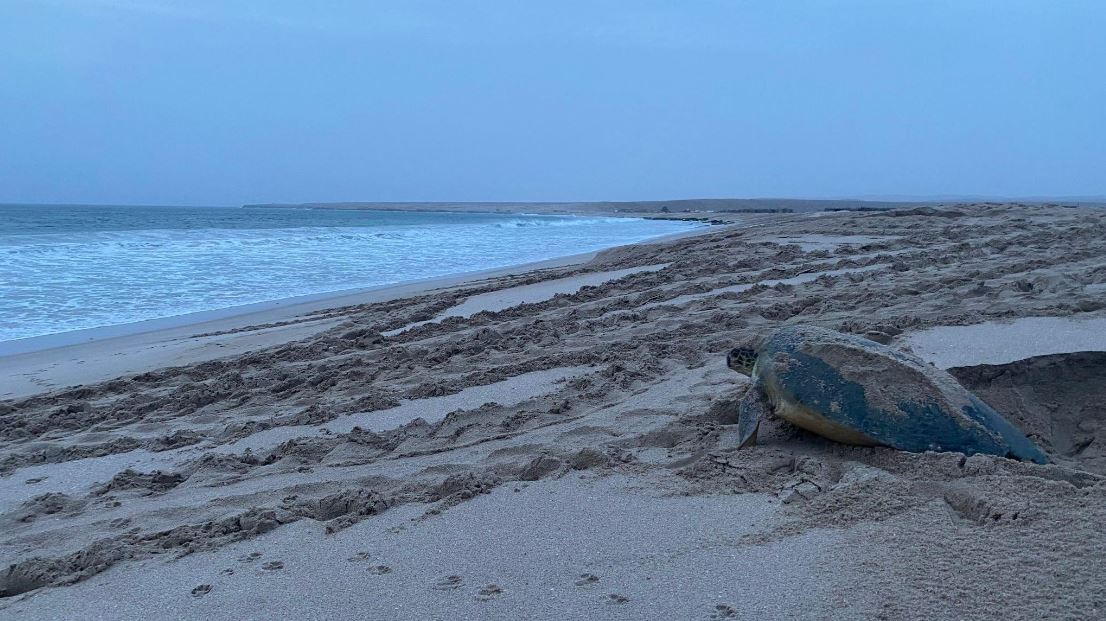
Ras al Hadd Beach:- Ras Al Hadd is a community on a peninsula facing the Indian Ocean. It functions as an enclave for the sultanate and is situated near the mouth of the Gulf of Oman. One could seem cut off from the outside world due to the picturesque landscapes and tranquility of the village. Exploring this town will be beneficial because of its lovely green turtle sanctuary, beaches, and resorts.

Yeti beach:-Situated approx. 28 km from Muscat city, this secluded beach is best known for camping. Couples or friends can ideally spend their weekend here swimming, fishing, or on a simple day trip. The rocky edges, small cliffs, coves, and clear water makes the beach extremely attractive for long walks and enjoying sunsets.

Turtle-watching

Turtle-watching

Dhow

Dhow

Trekking

Trekking

Dolphins

Dolphins

Turtle-watching Dhow Trekking Dolphins

Adventure in Oman

Dolphins Watching:-Our boat service can give you a dolphin shows experience. If you like seas, you will definitely like this. It will give you the excitement of dolphins watching experience. The most popular place for dolphin shows in Oman is Muscta and the Musandam Sea.

Snorkeling and swimming:- Experts say this is the most exciting activity in Muscat and the Peninsula of Musandam. Snorkeling is not something you can do anywhere, You can be in the heart of the ocean and see some of the beautiful creatures of nature inside the water, such as Starfish, reef sharks, tiger fish, turtles and other marine life creatures.

Wadi Shahb Trekking:- You’ll have to board a boat for One OMR each person (round trip) to traverse a brief section of the river after reaching the Wadi Shab parking. You only have to spend for the trip since there’s no admission charge for the Wadi. After that, you’ll begin an incredibly peaceful 45-minute hike through a stunning, rocky valley dotted with lush vegetation, Lotus plantation and palm trees.

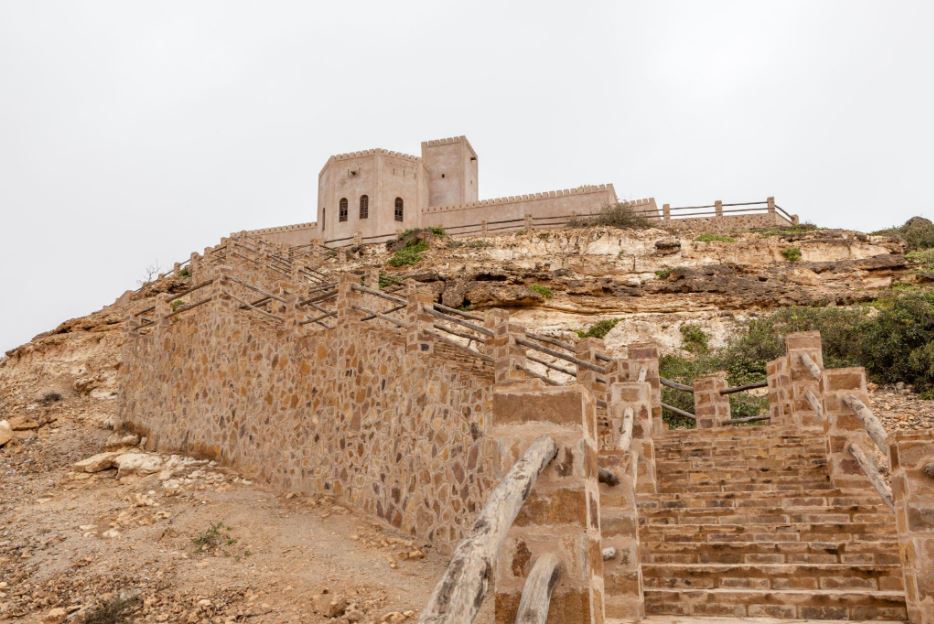
Al Mirani Al Jalali Fort :- This 16th-century fort, along with the AI Jalali Fort, was erected by the Portuguese to guard the Muscat port. Visitors are not allowed to enter the palace, but they can enjoy the mesmerizing view from outside. The form played a significant role in the defeat of the Portuguese. The architectural wonder has various tools on display used in an ancient war.

Trekking/Balcony Walk:- Known as the Grand Canyon of Oman, it is located on Jebel Shams (Mountain of the Sun). This 4-hour round-trip hike offers some of the best views in Oman. The Jebel Shams Mountains are located in northeastern Oman, north of the city of Al Hamra. As an aside, Oman is home to some of the most spectacular treks, but it’s a relatively unknown country that’s a great place to head out on a trekking holiday.

Turtle Watching:- A short drive from the Wahiba Sands, and a jump over Wadi Bani Khalid (another of Oman’s great swimming holes), lies the port town of Sur. There are a couple of castles, plenty of pretty boats and some nice beaches, but most people come for the turtles. The Ras al Hadd Turtle Reserve is close by. It’s open to the public and fairly well policed. Cars must enter and park by 8:00 p.m. A quiet walk to the beach and several hours of sitting provides visitors with a view of mother turtles laying their eggs. The Ras al Jinz resort just to the south provides more private viewing available especially to hotel guests. Reached by plane or ferry, Masirah Island to the south provides a similar experience with even more wildlife and less human interaction.

Salalah-grand-mosque

Salalah-grand-mosque

Mughsail-Beach

Mughsail-Beach

Khururi

Khururi

Taqah-Castle

Taqah-Castle

Wadi-arbaeen

Wadi-arbaeen

Salalah-grand-mosque Mughsail-Beach Khururi Taqah-Castle Wadi-arbaeen


Day 1

Arrive in Salalah proceed to the hotel and check in.

Day for relax

Overnight in Salalah

Day 2

After the breakfast,

Drive to Seeb Fish Market 32 Km, 30 Minutes

You will visit Khur Ruri(Samhuram)-Taqah Castle-Taqah Beach Photo Stop-Al Baleed Museum and Archiological site.

Khur Ruri(Samhuram):- Sumhuram archaeological park is one of the beautiful bays of Dhofar, and it was previously one of the leading trading ports of frankincense and known as Khor Rori. This heritage site is spread over 25 miles of East Salalah on a hilltop that overlooks the freshwater stream of the Khor Rori. It is a fascinating park that serves as a museum and archaeological park

Taqah Castle:- Taqah Castle is one of the most visited and famous castles in Oman. This gen is comparatively built new than other castles. This beautiful castle is located in Taqah’s fishing village, surrounded by white sand beaches. This castle is well maintained and preserved and known as one of the famous forts of Oman.

Taqah Beach:- Enjoy the beautiful beach of Taqah.

Al Baleed Museum and Archiological site:- A jewel landscape in Salalah is included in UNESCO’s list, and a prominent place for history lover visitors. It is an open archaeological site on the Arabian Sea coast and lies close to Haffa Souq and Al Husn Palace.

Overnight in Salalah.

Day 3

After the breakfast

You will visit Sultan Qaboos Mosque-Wadi Darbat-Tawi Attair Sink Hole-Gravity Hills-Mirbat-Sadah Beach and Castle
Sultan Qaboos Mosque:- One of the largest mosques in the Dhofar region is situated in Salalah. This mosque is in the city’s center, an original and authentic display of Islamic architecture decorated with marvelous chandeliers, wall patterns, and green carpets. This place is a huge attraction and Stays crowded all over the year. So visitors during Khareef season or any other part of the year can visit this mosque.

Wadi Darbat:- A must-see on any vacation to Salalah is Wadi Darbat, which is lush all year round. A stream with tree-lined sides and, frequently, camels grazing on them may be found at the wadi’s highest echelons. However, viewing the travertine curtain first from the bottom will provide a great view. You can also see the cascade and the other pools below it. From the parking lot, a small trail leads into the forest. Follow this and climb just a few rocky outcroppings until you can see the waterfall clearly and in all its splendor.

Tawi Attair Sink Hole:- One of the world’s most giant sinkholes, spanning 150meters wide and 211m deep, is located near Wadi Darbat. Although many tourists stop here, most just stroll towards the edge’s viewing deck, take a quick look around, and then get back in a Landcruiser. Avoid making this error! You won’t be impressed at all because the sight from the summit is pretty constrained.

Gravity Hills:- At Salalah Anti Gravity Point, watching the automobile move up the slope in neutral without no acceleration is an incredible sight. This is something special. The car may go between 40 and 60 kilometers per hour without accelerating.

Mirbat:- Mirbat Castle, the most famous and crucial twins of Salalah.Being the capital of this region years back, it is full of history. Mirbat Castle carries a history of exporting and breeding horses. This town gained fame because of the legendary battle fought on 19th July 1972. Mirbat Castle played an important administrative and defensive role between the Yemeni communist supporters and British troops. This castle got renovated and restored in 1991 and opened to the public. It was declared a tourist site in 1996. It showcases the traditional intensity of Dhofar and several other Sultanate governorates.

Sadah Beach and Castle:- A crucial trade center where frankincense was traded for hundred years. During the time of Sayyid Taimur bin Faisal, this Sadah Castle was one of the crucial pillars which guarded the Dhofar governorate. As it lies in the far east of the region, this castle plays the role of a watchman. At first glance, this night disappoints you because it might appear worn out and old buildi6, but believe me, it is full of surprises. This surprising building is featured embroidered textiles, cultural antiques, and colorful interiors, which gives a homey feeling. Visitors can explore the three rooms of a castle, including the kitchen, which contains imported porcelain, antique pictures, and pottery.

Overnight in Salalah

Day 4

After the breakfast

You will visitMughsail Beach-Ayn Khor Fall.

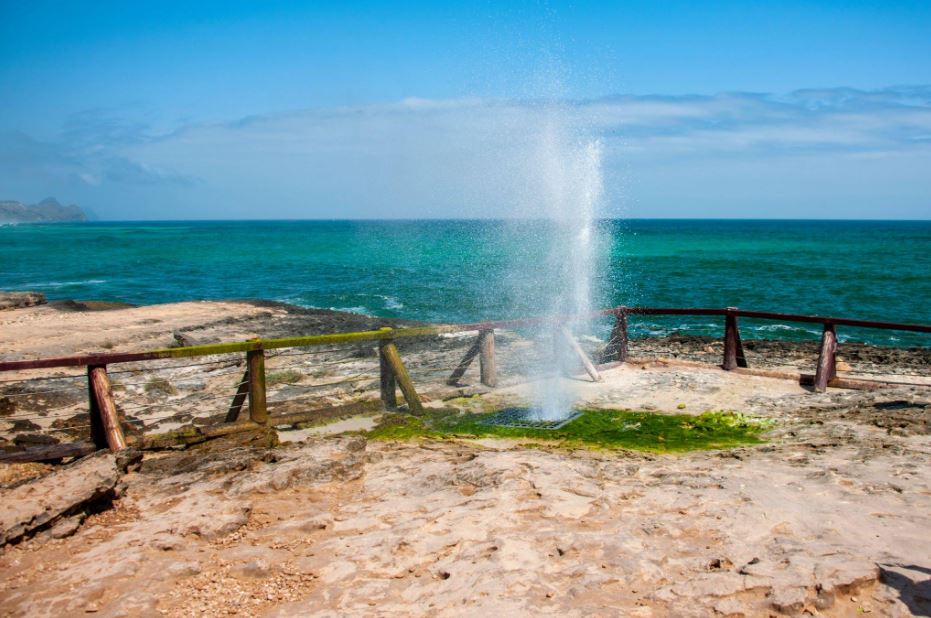
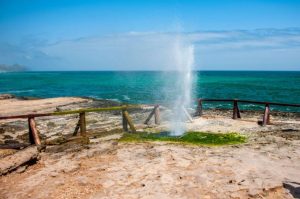
Mughsail Beach:- Mughsail Blowholes at Marneef Cave is one of the most crowded places in Salalah. A combination of natural and stunning fountains and beaches is just mesmerizing. It is a year-round destination. During the kareef season, the natural fountains reach more height than in other seasons. Visitors can experience bird watching, barbeque making, and horse riding at the beach, which are favorite activities. It is the ultimate picnic spot that can be visited in all seasons.

Ayn Khor Fall:- Ayn Khor Waterfall is one of the tourist attractions around the world during the Kharif season in Salalah, Oman. also its known as Raysut waterfall. it is 20 km away from the city of Salalah, This piece of Heaven is accessible with saloon cars as well but 4×4 are recommended because of off road drive and area near to waterfall is rocky, made of small stream stones.

Overnight in Salalah

Day 5

After the breakfast,

Enjoy your day at the beach

Overnight at Salalah.

Day 6

After the breakfast,

Enjoy your day at the beach

Overnight at Salalah.

Day 7

Departure

Grand-mosque

Grand-mosque

Opera-house

Opera-house

Al-Alam-palace

Al-Alam-palace

Souq-matra

Souq-matra

Bait-al-zubair

Bait-al-zubair

Mirani-JAlali-fort

Mirani-JAlali-fort

Grand-mosque Opera-house Al-Alam-palace Souq-matra Bait-al-zubair Mirani-JAlali-fort

Tour of Muscat half day and relax at beach

Tour Details: Exit from the port and drive to the Grand Mosque
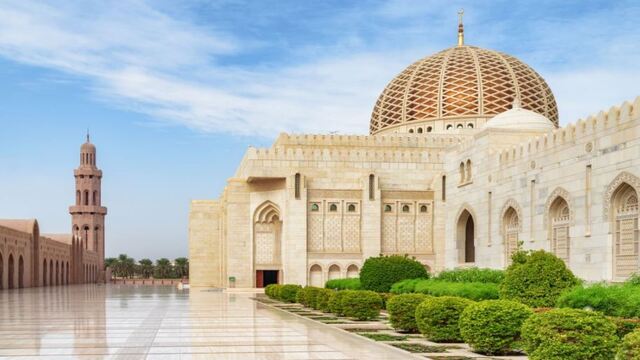
Grand Mosque:- Also named Sultan Qaboos Grand Mosque, it is Oman’s most prominent mosque, with 20,000 worshippers at a time. The mosque is a wonderment of contemporary architecture, and this worship center is beautifully crafted with Islamic, Omani, and Middle-eastern architectural designs

Note: – Timings: For non-Muslims, the mosque is open from Saturday to Thursday between 8 am to 11 am. Muslims can visit any time. Women should cover their head with the lady scarf, Must wear long sleeve Shirt/Top/T-Shirt and should cover their leg till the ankle. Men should wear full pants and half sleeve shirt or t-shirt also permitted. Both should not wear transparent clothing and no pictures of living beings.

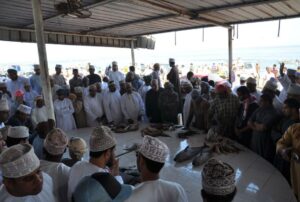
Fish Market :- Located in the heart of Muttrah in Oman’s largest port, the new fish market is a tribute to Oman’s past and future. The town of Muttrah is known for its long trading history, unique port and long-standing fishing tradition. Located near the city’s original fish market, which was built in 1960, the new market represents the continuation of the region’s trading and fishing traditions, while also meeting Oman’s need to cater to its growing tourism industry.

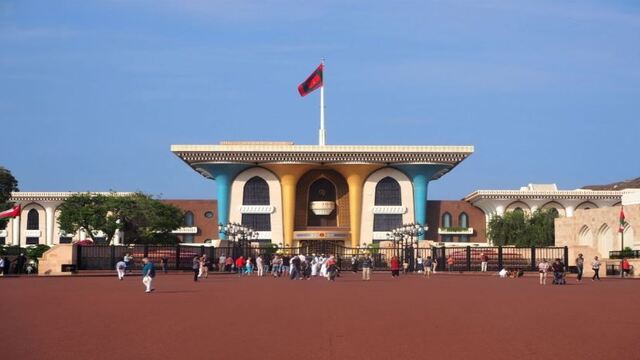
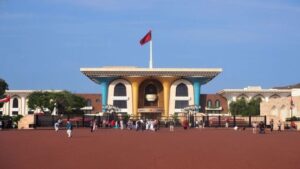
Al Alam Palace :- This royal palace carries 200 yrs history and allows visitors to take photographs from outside. Also called The Sultan Qaboos Palace, the residence is one of the best representations of vibrant Islamic architecture. Now, the property is used to accommodate distinguished officials. Constructed by Imam Sultan Bin Ahmed, the palace is surrounded by The Mutrah harbor and lush greenery.

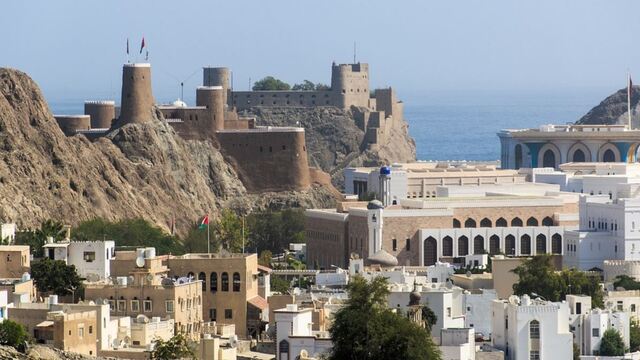
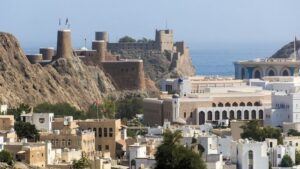
Al Mirani Al Jalali Fort :- This 16th-century fort, along with the AI Jalali Fort, was erected by the Portuguese to guard the Muscat port. Visitors are not allowed to enter the palace, but they can enjoy the mesmerizing view from outside. The form played a significant role in the defeat of the Portuguese. The architectural wonder has various tools on display used in an ancient war.

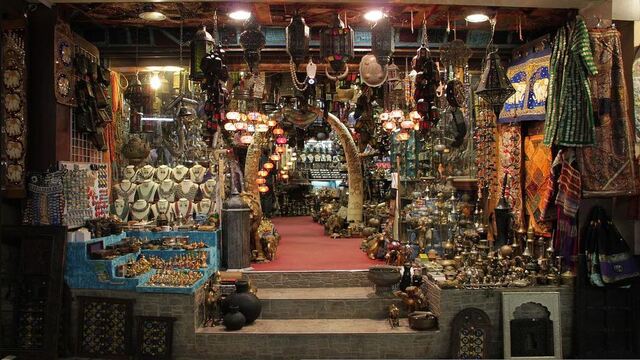
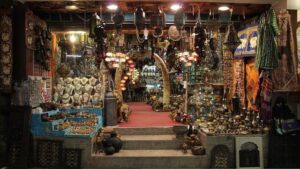
Mutrah Souk :- Located in the heart of Muttra in Oman’s largest port, the new fish market is a tribute to Oman’s past and future. The town of Muttra is known for its long trading history, unique port and long-standing fishing tradition. Located near the city’s original fish market, which was built in 1960, the new market represents the continuation of the region’s trading and fishing traditions, while also meeting Oman’s need to cater to its growing tourism industry.

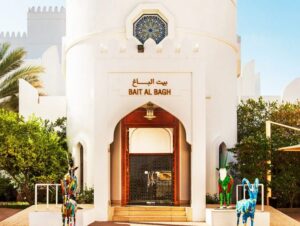
Bait Al Zubair :- Situated in Muscat City, this private museum houses historical items belonging to Oman’s cultural, military, and social past. Opened in 1998, this architectural complex has an extensive collection of artifacts like jewelry, weapon, household goods, Khanjars, and costumes Of Omani culture.

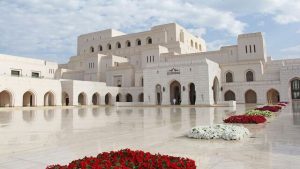
Opera House (Photo Stop) :- People who have a particular interest in art, music, and culture should keep it on their wishlist while traveling to Muscat. Set up in the year 2001, the magnificent complex has an auditorium, theatre, art center, and landscape garden. With a capacity of 1100 people, the art center is a true example of carrying the heritage with the arrangements of diversified cultural events.

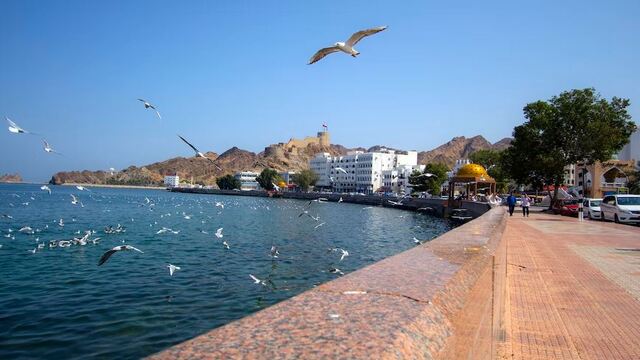
Muttra Corniche (Photo stop) :- Mutrah stretches along an attractive corniche of latticed buildings and mosques; it looks spectacular at sunset when the light casts shadows across the serrated crescent of mountains, while pavements, lights and fountains invite an evening stroll or a bike ride.

Proceed to the beach and relax.

After the beach return back to port.

Grand-mosque

Grand-mosque

Opera-house

Opera-house

Al-Alam-palace

Al-Alam-palace

Souq-matra

Souq-matra

Bait-al-zubair

Bait-al-zubair

Mirani-JAlali-fort

Mirani-JAlali-fort

Grand-mosque Opera-house Al-Alam-palace Souq-matra Bait-al-zubair Mirani-JAlali-fort

Tour Of Muscat Half Day

Tour Details: Exit from the port and drive to the Grand Mosque
Grand Mosque:- Also named Sultan Qaboos Grand Mosque, it is Oman’s most prominent mosque, with 20,000 worshippers at a time. The mosque is a wonderment of contemporary architecture, and this worship center is beautifully crafted with Islamic, Omani, and Middle-eastern architectural designs

Note: – Timings: For non-Muslims, the mosque is open from Saturday to Thursday between 8 am to 11 am. Muslims can visit any time. Women should cover their head with the lady scarf, Must wear long sleeve Shirt/Top/T-Shirt and should cover their leg till the ankle. Men should wear full pants and half sleeve shirt or t-shirt also permitted. Both should not wear transparent clothing and no pictures of living beings.

Fish Market :- Located in the heart of Muttrah in Oman’s largest port, the new fish market is a tribute to Oman’s past and future. The town of Muttrah is known for its long trading history, unique port and long-standing fishing tradition. Located near the city’s original fish market, which was built in 1960, the new market represents the continuation of the region’s trading and fishing traditions, while also meeting Oman’s need to cater to its growing tourism industry.

Al Alam Palace :- This royal palace carries 200 yrs history and allows visitors to take photographs from outside. Also called The Sultan Qaboos Palace, the residence is one of the best representations of vibrant Islamic architecture. Now, the property is used to accommodate distinguished officials. Constructed by Imam Sultan Bin Ahmed, the palace is surrounded by The Mutrah harbor and lush greenery.

Al Mirani Al Jalali Fort :- This 16th-century fort, along with the AI Jalali Fort, was erected by the Portuguese to guard the Muscat port. Visitors are not allowed to enter the palace, but they can enjoy the mesmerizing view from outside. The form played a significant role in the defeat of the Portuguese. The architectural wonder has various tools on display used in an ancient war.

Mutrah Souk :- Located in the heart of Muttra in Oman’s largest port, the new fish market is a tribute to Oman’s past and future. The town of Muttra is known for its long trading history, unique port and long-standing fishing tradition. Located near the city’s original fish market, which was built in 1960, the new market represents the continuation of the region’s trading and fishing traditions, while also meeting Oman’s need to cater to its growing tourism industry.

Bait Al Zubair :- Situated in Muscat City, this private museum houses historical items belonging to Oman’s cultural, military, and social past. Opened in 1998, this architectural complex has an extensive collection of artifacts like jewelry, weapon, household goods, Khanjars, and costumes Of Omani culture.

Opera House (Photo Stop) :- People who have a particular interest in art, music, and culture should keep it on their wishlist while traveling to Muscat. Set up in the year 2001, the magnificent complex has an auditorium, theatre, art center, and landscape garden. With a capacity of 1100 people, the art center is a true example of carrying the heritage with the arrangements of diversified cultural events.

Muttra Corniche (Photo stop) :- Mutrah stretches along an attractive corniche of latticed buildings and mosques; it looks spectacular at sunset when the light casts shadows across the serrated crescent of mountains, while pavements, lights and fountains invite an evening stroll or a bike ride.

Grand-mosque

Grand-mosque

Opera-house

Opera-house

Al-Alam-palace

Al-Alam-palace

Souq-matra

Souq-matra

Bait-al-zubair

Bait-al-zubair

Mirani-JAlali-fort

Mirani-JAlali-fort

Grand-mosque Opera-house Al-Alam-palace Souq-matra Bait-al-zubair Mirani-JAlali-fort

Muscat Full Day Tour

After the breakfast tour begins.

Drive from Muscat

Lunch in a local restaurant.

Grand Mosque:- Also named Sultan Qaboos Grand Mosque, it is Oman’s most prominent mosque, with 20,000 worshippers at a time. The mosque is a wonderment of contemporary architecture, and this worship center is beautifully crafted with Islamic, Omani, and Middle-eastern architectural designs

Note: – Timings: For non-Muslims, the mosque is open from Saturday to Thursday between 8 am to 11 am. Muslims can visit any time. Women should cover their head with the lady scarf, Must wear long sleeve Shirt/Top/T-Shirt and should cover their leg till the ankle. Men should wear full pants and half sleeve shirt or t-shirt also permitted. Both should not wear transparent clothing and no pictures of living beings.

Fish Market :- Located in the heart of Muttrah in Oman’s largest port, the new fish market is a tribute to Oman’s past and future. The town of Muttrah is known for its long trading history, unique port and long-standing fishing tradition. Located near the city’s original fish market, which was built in 1960, the new market represents the continuation of the region’s trading and fishing traditions, while also meeting Oman’s need to cater to its growing tourism industry.

Al Alam Palace :- This royal palace carries 200 yrs history and allows visitors to take photographs from outside. Also called The Sultan Qaboos Palace, the residence is one of the best representations of vibrant Islamic architecture. Now, the property is used to accommodate distinguished officials. Constructed by Imam Sultan Bin Ahmed, the palace is surrounded by The Mutrah harbor and lush greenery.

Al Mirani Al Jalali Fort :- This 16th-century fort, along with the AI Jalali Fort, was erected by the Portuguese to guard the Muscat port. Visitors are not allowed to enter the palace, but they can enjoy the mesmerizing view from outside. The form played a significant role in the defeat of the Portuguese. The architectural wonder has various tools on display used in an ancient war.
Mutrah Souk :- Located in the heart of Muttra in Oman’s largest port, the new fish market is a tribute to Oman’s past and future. The town of Muttra is known for its long trading history, unique port and long-standing fishing tradition. Located near the city’s original fish market, which was built in 1960, the new market represents the continuation of the region’s trading and fishing traditions, while also meeting Oman’s need to cater to its growing tourism industry.

Bait Al Zubair :- Situated in Muscat City, this private museum houses historical items belonging to Oman’s cultural, military, and social past. Opened in 1998, this architectural complex has an extensive collection of artifacts like jewelry, weapon, household goods, Khanjars, and costumes Of Omani culture.

Opera House (Photo Stop) :- People who have a particular interest in art, music, and culture should keep it on their wishlist while traveling to Muscat. Set up in the year 2001, the magnificent complex has an auditorium, theatre, art center, and landscape garden. With a capacity of 1100 people, the art center is a true example of carrying the heritage with the arrangements of diversified cultural events.

Muttra Corniche Walk :- Mutrah stretches along an attractive corniche of latticed buildings and mosques; it looks spectacular at sunset when the light casts shadows across the serrated crescent of mountains, while pavements, lights and fountains invite an evening stroll or a bike ride.

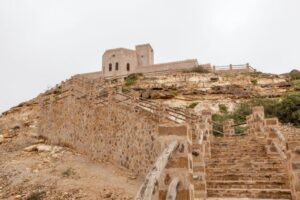
Muttra Fort (Photo Stop) :- Muttrah stretches along an attractive corniche of half-timbered houses and mosques. At sunset, it looks spectacular as the light casts shadows on the mountain’s jagged crescent and the walkways, lights and fountains invite evening walks and bike rides.

Mutra-corniche

Mutra-corniche

Dhow

Dhow

Souq-matra

Souq-matra

Seeb-fish-market

Seeb-fish-market

Mutra-corniche Dhow Souq-matra Seeb-fish-market

Four Hours

The tour starts from the port gate. You will visit the local fish market then you proceed to Bait al Baranada Museum after you will walk across Muttrah a small and important town of Muscat and reach Muttrah souq. Once reached Muttrah souq you will have time for shopping. After visiting the Muttarah souq you will have a short walk on Muttrah Corniche and you will be transferred to port by bus.

Fish Market:- Located in the heart of Muttrah in Oman’s largest port, the new fish market is a tribute to Oman’s past and future. The town of Muttrah is known for its long trading history, unique port and long-standing fishing tradition. Located near the city’s original fish market, which was built in 1960, the new market represents the continuation of the region’s trading and fishing traditions, while also meeting Oman’s need to cater to its growing tourism industry.

Bait al Baranada :- This is one of Muscat`s historical and cultural sites, also known as Naseeb’s House. Using interactive technology to display images of tectonic plate movement from the past 750 million years to the present, the museum tells the story of Muscat from its geological formations to the present day, shaping the continent in the past. will form and change over the next 250 million years.

Mutrah Souk :- Located in the heart of Muttra in Oman’s largest port, the new fish market is a tribute to Oman’s past and future. The town of Muttra is known for its long trading history, unique port and long-standing fishing tradition. Located near the city’s original fish market, which was built in 1960, the new market represents the continuation of the region’s trading and fishing traditions, while also meeting Oman’s need to cater to its growing tourism industry.

Muttra Corniche (Photo stop) :- Snaking its way along the coast, Mutrah Corniche is one of the most loved places in Muscat among locals and tourists alike. Offering splendid views of the sea, the seaside promenade, the Corniche appears especially resplendent during the sunset as the waning light hits the shimmering waters at low angles. The Corniche crosses a few pristine gardens and sculpture parks along the way. The northern end of the Corniche has a little local Souq, that visitors can enjoy at their own leisure.

Ask for a quote