Empty-Quarter

Empty-Quarter

ASharqiyah-Sands

ASharqiyah-Sands

Wadi-bani-khalid

Wadi-bani-khalid

Wadi-bani-khalid

Wadi-bani-khalid

Wadi-bani-khalid

Wadi-bani-khalid

Empty-Quarter ASharqiyah-Sands Wadi-bani-khalid Wadi-bani-khalid Wadi-bani-khalid

After the breakfast tour begins.

Drive from Muscat to Wadi Bani Khalid 256 Km, 2 hrs. 50 Minutes.

Lunch in a local restaurant.

Drive to Seeb Fish Market 32 Km, 30 Minutes

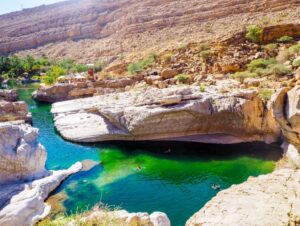
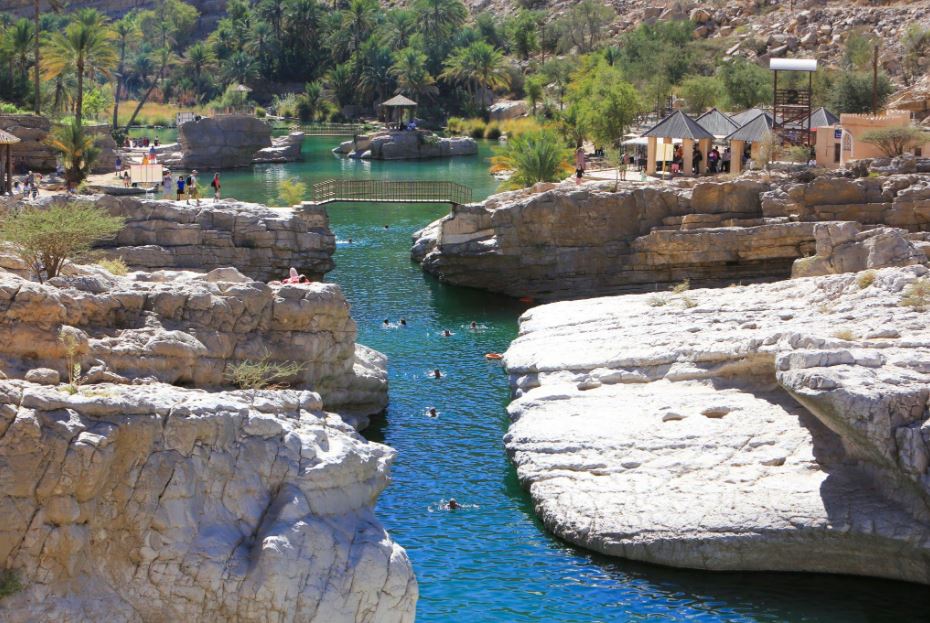
Wadi Bani Khalid:- Wadi Bani Khalid is one of the most beautiful places that you will find during your tour in Oman, this is one of the greatest Wadis in Oman, is well-known for its sizable emerald-green freshwater pools encircled by towering palm trees. Wadi Bani Khalid is renowned for having a continuous water stream all year round, unlike most Wadis in Oman, which are barren during the summers. It's also repeatedly alluded to as the incredible "desert paradise" due to its rocky cliffs, canyon, and spectacular Hajar mountains' beauty.

Drive in to the Desert 57 Km, 1 Hrs. 10 Minutes.

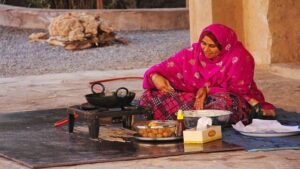
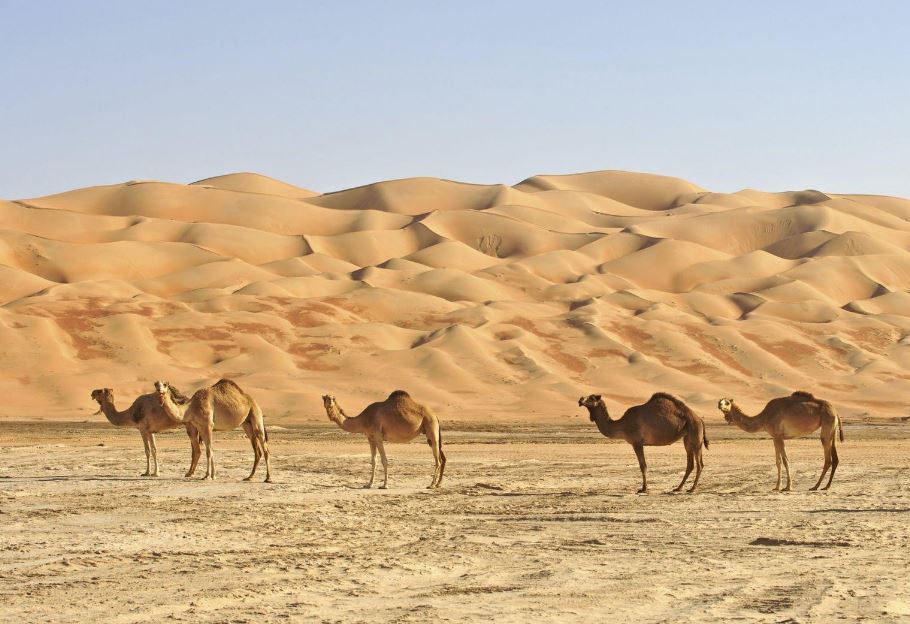
Desert:- It is the home of Bedouins so you are going to visit The House Bedouins, and people visiting it for the first time would be genuinely impressed by the beauty with which the dunes and their colors change. You can also ask your driver to take you to the great desert dunes in the region, popularly known as Al Wahiba Desert, where you will be treated to the thrill of driving through the undulating dunes of the desert. Once you are finished with the dune driving that would take approximately up one hour of the trip, you can bid farewell to the deserts.

Drive back to Muscat 228 Km, 2 hrs. 40 Minutes.

Overnight in Muscat.

Inclusions

  • Pick up and Drop off as per itinerary in a Saloon car vehicle
  • Services of an experienced English/Arabic speaking chauffeur
  • All sightseeing as per the program
  • Water during the excursion

Exclusions

  • Any personal shopping/Monuments ticket/Any Meal
  • Additional areas you may wish to visit
  • Anything/Everything not mentioned in inclusions

Wadi-arbaeen

Wadi-arbaeen

quriyat

quriyat

Bimmah-Sinkhole

Bimmah-Sinkhole

Wadi-Darbat

Wadi-Darbat

Wadi-arbaeen quriyat Bimmah-Sinkhole Wadi-Darbat

After the breakfast tour begins.

Picnic Lunch box.

Drive from Muscat to Quriyat Fish Market 93 Km, 1 Hrs. 10 Minutes

Drive to Seeb Fish Market 32 Km, 30 Minutes

Quriyat:- Quriyat (also called Qurayyat) is a small coastal town near Muscat. The town's past was marked by fierce resistance to Portuguese invasion, but today it is a quiet fishing village. The main attraction for most visitors is the Quriyat Fish Market on the entrance of the city.

Drive to Bimmah Sinkhole 39 Km, 35 Minutes.

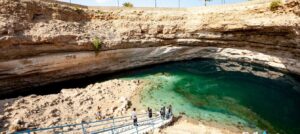
Bimmah Sinkhole:- Visit the stunning lake in the Bimmah Sinkhole on the journey to Muscat. The Day one trip will then end as you get back into the car and start the return trip to Muscat, where you'll be landed off at your accommodation.

Drive to Ayn Thowarah 3 Km, 8 Minutes

Ayn Thowarah:- This is a hot spring that is located beside Nakhal Fort naturally. In Nakhal, you must explore Al Thawarah Hot Spring, one of Oman's most fabulous thrilling tourist destinations. The Nakhal Fort isn't too far from the swimming hole, and an artificial swimming pool and a river in which the spring flows are pleasant for a walk. It would be best if you went during the weekdays because the weekend is usually very crowded.

Drive to Wadi Arbaeen And Arbaeen Village 22 Km 35 Minutes

Wadi Arbaeen:- One of the favorite outdoor locations in Oman, and quite simply, my favorite Wadi, is Wadi Al Arbaeen. Because of the absence of indication and the length of off-road you must travel, Wadi Arbaeen isn't widely obtainable. Nevertheless, you must go if you prefer swimming in freshwater ponds, which are plenty here, and wish to appreciate the peace of strolling across a relatively undisturbed wadi. While wading via Wadi, particularly late in, you nearly feel weird. If you wish to discover Wadi Al Arbaeen truly must visit.

Drive to Wadi Dayqah Dam 26 Km, 55 Minutes.

Wadi Mazara and Wadi Dayqah:- Experience Wadi Dayqah, Oman's most significant water dam. This massive structure, located in the natural limestone Wadi (valley), is a striking example of how scientific progress can be both functional and beautiful. Enjoy a peaceful stay there. Wadi Dayqah is a fantastic day trip destination since it has cascading streams, lovely pools, and picnic areas. This adventure won't take more than six hours, so sit back and take in the natural splendor. The largest artificial Dam in Oman is located above the settlement of Al Mazara inside the Vilayat of Quriyat, in a desert region with mountains as a backdrop.

Drive back to Muscat 105 Km, 1 Hrs. 20 Minutes.

Inclusions

  • Pick up and Drop off as per itinerary in a Saloon car vehicle
  • Services of an experienced English/Arabic speaking chauffeur
  • All sightseeing as per the program
  • Water during the excursion

Exclusions

  • Any personal shopping/Monuments ticket/Any Meal
  • Additional areas you may wish to visit
  • Anything/Everything not mentioned in inclusions

Nakhal-fort

Nakhal-fort

Nakhal

Nakhal

Rustaq

Rustaq

Seeb-fish-market

Seeb-fish-market

Nakhal-fort Nakhal Rustaq Seeb-fish-market

After the breakfast tour begins.

Drive from Muscat to Nizwa 170 Km, 2 hrs.

Lunch in a local restaurant.

Drive to Seeb Fish Market 32 Km, 30 Minutes

Arrival in Nizwa and visit Nizwa Fort, Nizwa Souq, Nizwa, Watch Tower, (Cattle Market, Bird Market, Carpet Market only on Fridays)

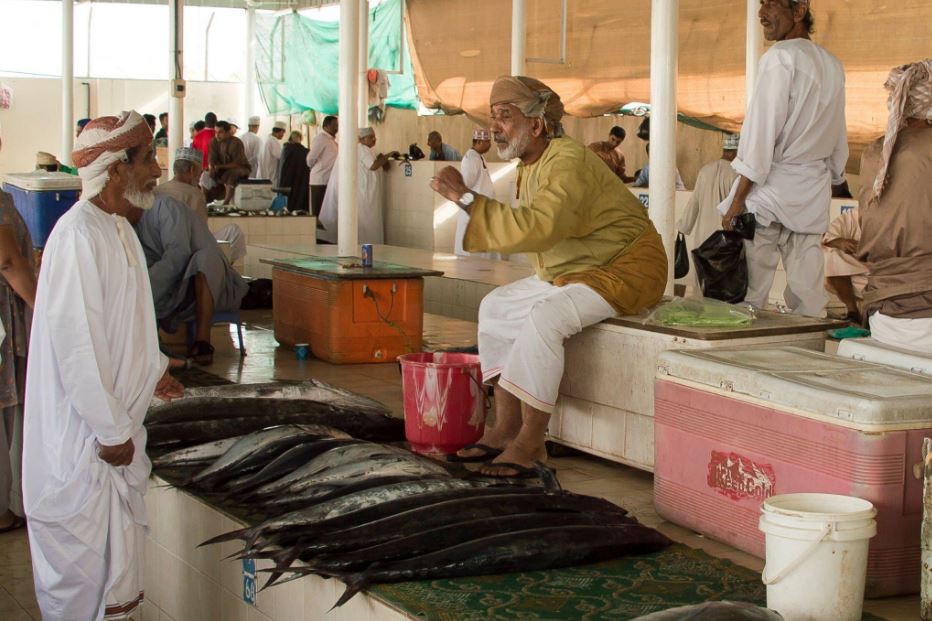
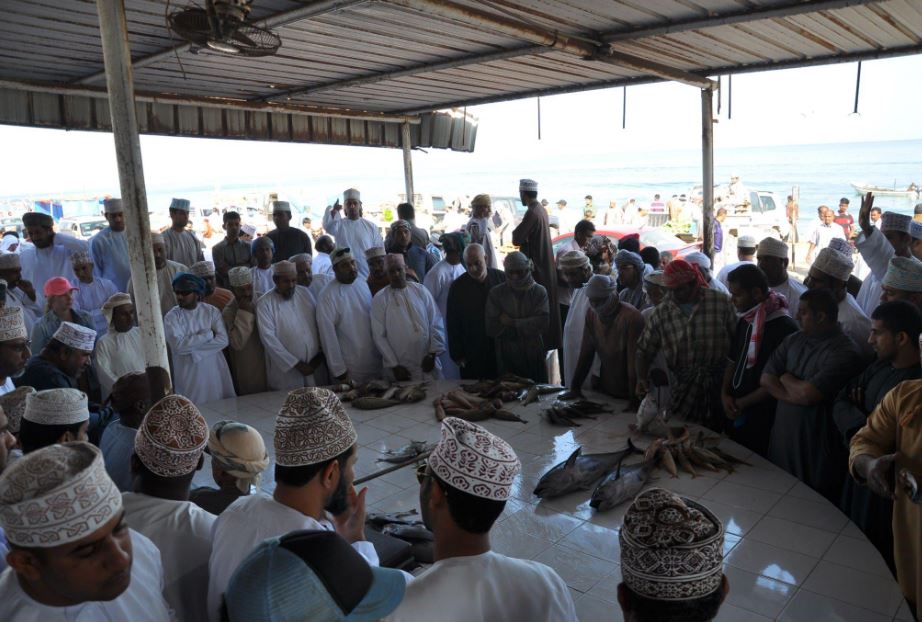
Seeb Fish Market :- The new fish market is a tribute to Oman’s past and future. The town of Seeb is known for its long trading history, unique port and long-standing fishing tradition. Located near the city’s original fish market, which was built in 1960, the new market represents the continuation of the region’s trading and fishing traditions, while also meeting Oman’s need to cater to its growing tourism industry.

Drive to Nakhal Fort 65 Km, 50 Minutes

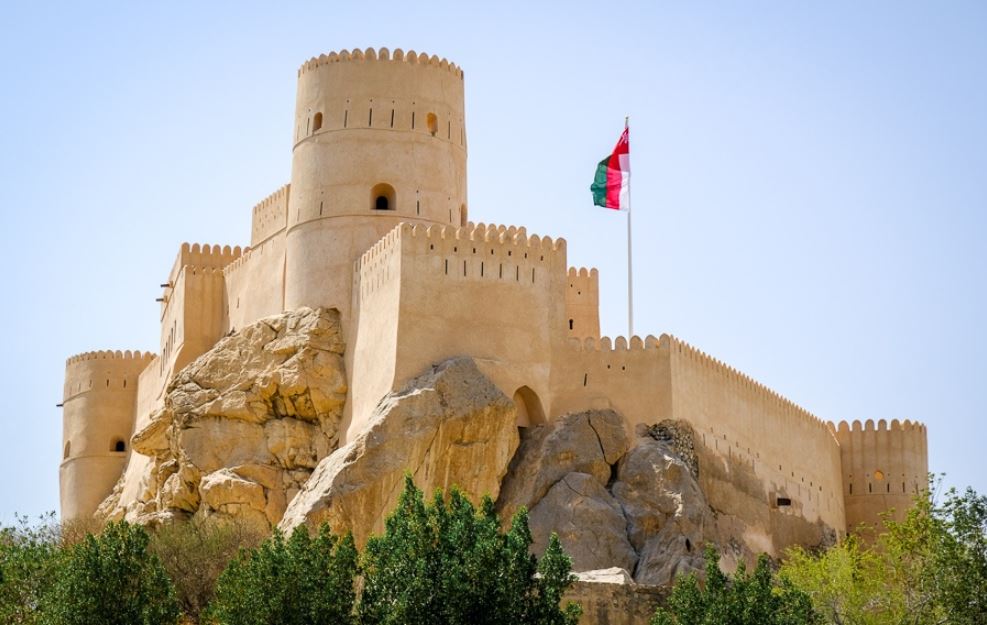
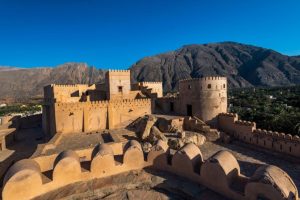
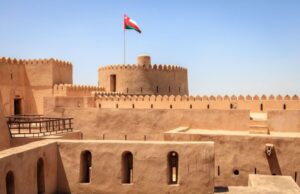
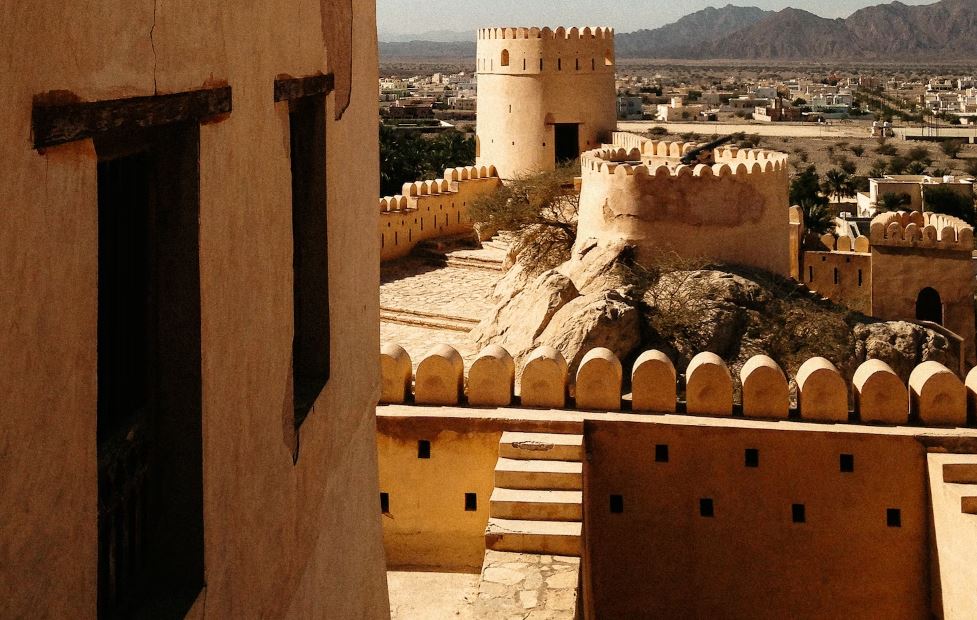
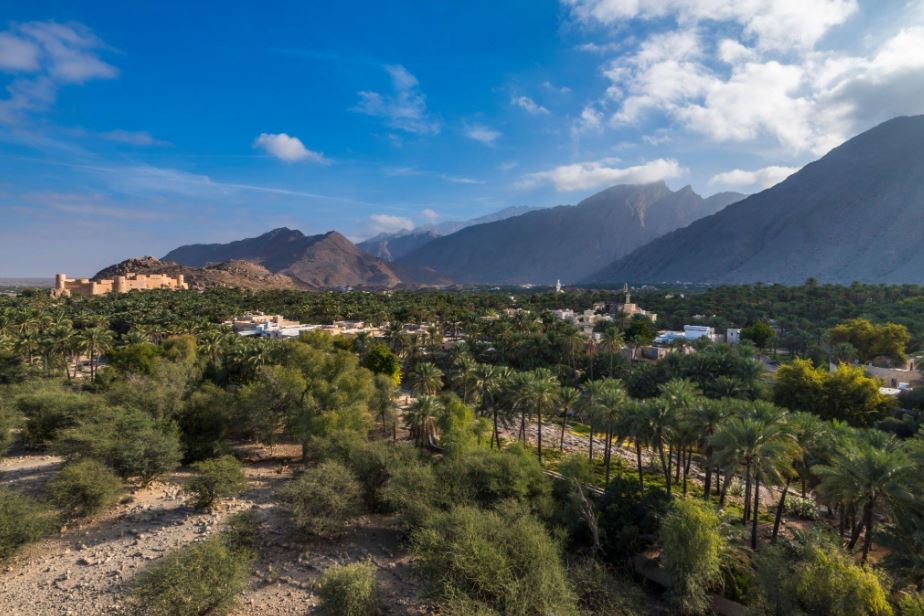
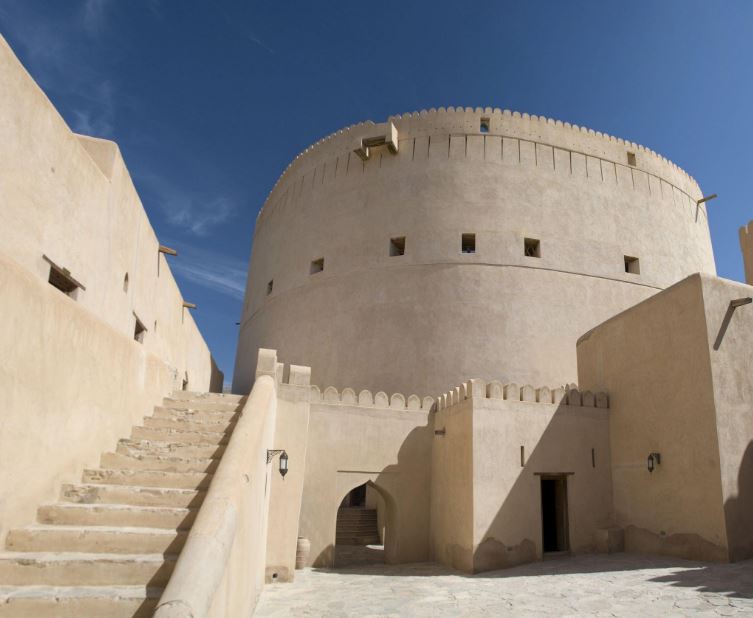
Nakhal Fort:- Although the government rebuilt much of the existing walls for this castle in the seventeenth century, it was initially constructed in the pre-Islamic periods (i.e., ninth century). Various defenses and guns surround the fort’s peak, and the fortifications are formidable. In the background, you may even make out the craggy Al Hajar Mountains. It’s rewarding to stroll in a roundabout the exterior of the castle prior you explore the interior to get a more profound examination of the ramparts. These are awesome, and they somewhat take you back to the medieval era.

Drive to Ayn Thowarah 3 Km, 8 Minutes

Ayn Thowarah:- This is a hot spring that is located beside Nakhal Fort naturally. In Nakhal, you must explore Al Thawarah Hot Spring, one of Oman’s most fabulous thrilling tourist destinations. The Nakhal Fort isn’t too far from the swimming hole, and an artificial swimming pool and a river in which the spring flows are pleasant for a walk. It would be best if you went during the weekdays because the weekend is usually very crowded.

Drive to Rustaq Fort 54 Km, 50 Hrs.

Rustaq Fort:- A tour to Oman’s Al Rustaq Fort, built during the thirteenth century, is a must-visit for any vacation there. This is among the nation’s most renowned and significant castles, and for tourists, it also has one of the best-looking exteriors. The three-story fort contains four twenty-meter, i.e., 65-foot high turrets, a weapons chamber, a mosque, and a prison. The fort’s summit is well worth the climb there! Superb views are provided on all sides. However, it’s advisable to carry water. Based on the weather, the ascent to this fort’s summit might be very warm.

Drive back to Muscat 145 Km, 1 Hrs. 35 Minutes

Overnight in Muscat.

Inclusions

  • Pick up and Drop off as per itinerary in a Saloon car vehicle
  • Services of an experienced English/Arabic speaking chauffeur
  • All sightseeing as per the program
  • Water during the excursion

Exclusions

  • Any personal shopping/Monuments ticket/Any Meal
  • Additional areas you may wish to visit
  • Anything/Everything not mentioned in inclusions
Nakhal-fort

Nakhal-fort

Nakhal-fort

Nakhal-fort

Nakhal

Nakhal

Nakhalfort

Nakhalfort

Nakhal

Nakhal

Seeb-fish-market

Seeb-fish-market

Seeb-fish-market

Seeb-fish-market

Seeb-fish-market

Seeb-fish-market

Nakhal-fort Nakhal-fort Nakhal Nakhalfort Nakhal Seeb-fish-market Seeb-fish-market Seeb-fish-market

After the breakfast tour begins.

Drive from Muscat to Nakhal.

Lunch in a local restaurant.

Drive to Seeb Fish Market 32 Km, 30 Minutes

Arrival in Nizwa and visit Nizwa Fort, Nizwa Souq, Nizwa, Watch Tower, (Cattle Market, Bird Market, Carpet Market only on Fridays)

Seeb Fish Market :- The new fish market is a tribute to Oman’s past and future. The town of Seeb is known for its long trading history, unique port and long-standing fishing tradition. Located near the city’s original fish market, which was built in 1960, the new market represents the continuation of the region’s trading and fishing traditions, while also meeting Oman’s need to cater to its growing tourism industry.

Drive to Nakhal Fort 65 Km, 50 Minutes

Nakhal Fort:- Although the government rebuilt much of the existing walls for this castle in the seventeenth century, it was initially constructed in the pre-Islamic periods (i.e., ninth century). Various defenses and guns surround the fort’s peak, and the fortifications are formidable. In the background, you may even make out the craggy Al Hajar Mountains. It’s rewarding to stroll in a roundabout the exterior of the castle prior you explore the interior to get a more profound examination of the ramparts. These are awesome, and they somewhat take you back to the medieval era.

Drive to Ayn Thowarah 3 Km, 8

Ayn Thowarah:- This is a hot spring that is located beside Nakhal Fort naturally. In Nakhal, you must explore Al Thawarah Hot Spring, one of Oman’s most fabulous thrilling tourist destinations. The Nakhal Fort isn’t too far from the swimming hole, and an artificial swimming pool and a river in which the spring flows are pleasant for a walk. It would be best if you went during the weekdays because the weekend is usually very crowded.

Drive to Wakan Village 48 Km, 1 Hrs.

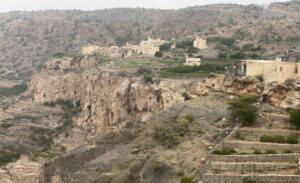
Wakan Village:- The village is located at 2,000 meters above sea level in Wadi Mastar, Wileit Nakhal, South Al-Batinah Governorate. This village is 150 kilometers from Muscat. The road leading to the village passes through a series of valleys that can only be reached by four-wheel drive vehicle. The region has warm summers and cold winters. Visitors observe many agricultural terraces with fruit trees, including grapes, pomegranates, apricots, and some legumes.

Drive back to Muscat 134 Km, 1 Hrs. 35 Minutes

Overnight in Muscat.

Inclusions

  • Pick up and Drop off as per itinerary in a Saloon car vehicle
  • Services of an experienced English/Arabic speaking chauffeur
  • All sightseeing as per the program
  • Water during the excursion

Exclusions

  • Any personal shopping/Monuments ticket/Any Meal
  • Additional areas you may wish to visit
  • Anything/Everything not mentioned in inclusions

Nizwa-tower

Nizwa-tower

Nizwa-suq

Nizwa-suq

Jebel-akhdar

Jebel-akhdar

Birkat-al-mouj

Birkat-al-mouj

Ain-village

Ain-village

Nizwa-tower Nizwa-suq Jebel-akhdar Birkat-al-mouj Ain-village

After the breakfast tour begins.

Drive from Muscat to Nizwa 170 Km, 2 hrs.

Lunch in a local restaurant.

Arrival in Nizwa and visit Nizwa Fort, Nizwa Souq, Nizwa, Watch Tower, (Cattle Market, Bird Market, Carpet Market only on Fridays)

Nizwa Fort :- The erection of Nizwa fort, which was started in the seventeenth century by Sultan Bin Saif Al Yarubi, the utmost important member of the Yarubi tribe, and finished in twelve years, has a long and illustrious history. However, this Fort was constructed by Imam Al Sultan bin Malik Al Kharusi during the ninth century.

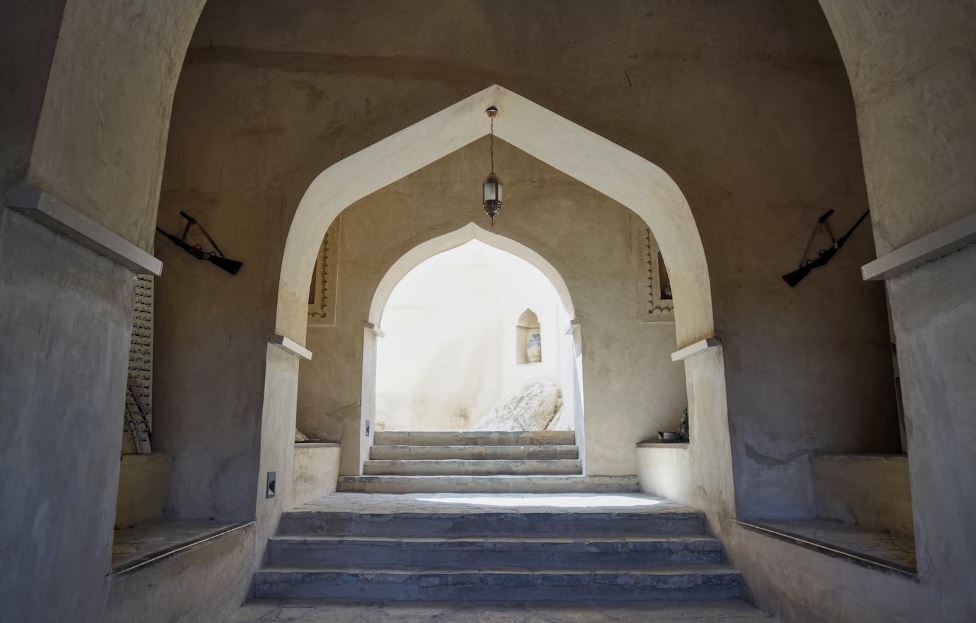
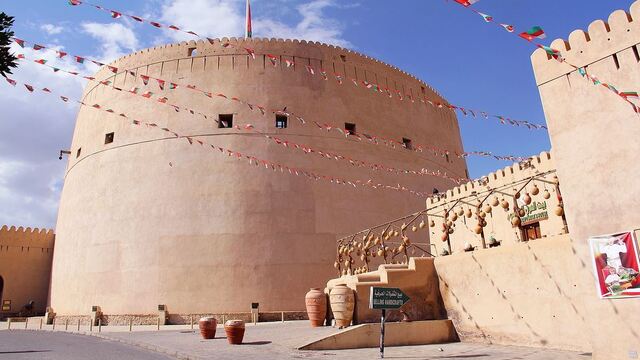
Nizwa Tower:- The foundation extends 30 meters (98 feet) underground. One of the most interesting features is the drum-like cylindrical tower about 45 meters (148 feet) in diameter and about 34 meters (112 feet) high. Two cannons guard the tower’s entrance, as well as a labyrinth of rooms, high-ceilinged halls, doorways, terraces, narrow staircases and corridors that give you a deeper look at the ingenuity of Omani architecture.

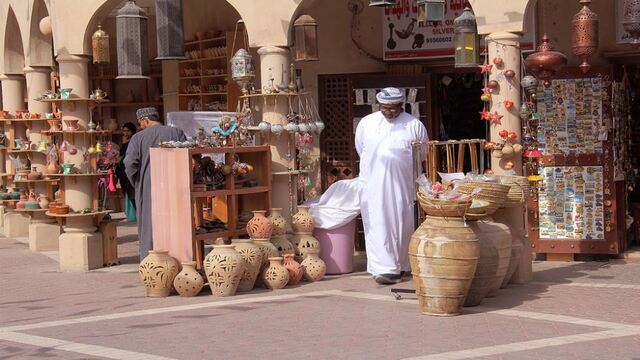
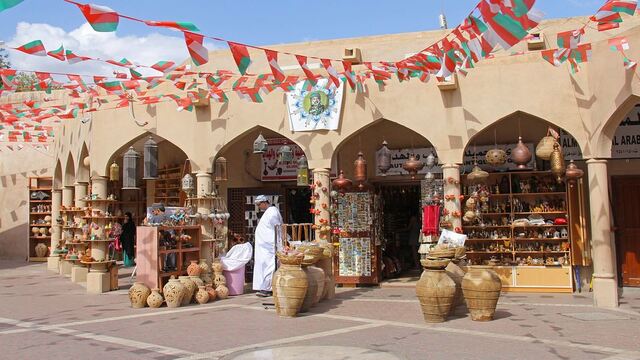
Nizwa Souq (Market):- which is close to the Nizwa fort, will offer you a taste of the past of Oman because most of its buildings still feature the country’s historical buildings. Based on what you wish to purchase, the souq is divided into separate sections; You can witness locals purchasing Omani Pottery, Silver jewelry, Handicrafts, Spices, Frankincense, Traditional Omani attire for both men and women, Traditional Khanjars (Dagger), Perfumes, Dates and Dates Honey, Meat, fruits and vegetables, Omani Traditional Sweet Halwa. The remaining of its souq offers distinctive mementos like fresh dates, lamps, and taqiya headgear. The typical Omani souq marketplace is the most incredible location to observe how the community market functions.

Drive to Falaj Darir and Birkat Al Mouz 28 Km, 30 Minutes.

Falaj Daris:- JThe Falaj Daris is perhaps Oman’s biggest Falaj and a World Heritage Site in Nizwa, giving the city the water it needs for its farmlands and crops. Locals frequently visit the park created on a little fraction of the Falaj! This old Falaj is thought to date back to 2500 BC! Hence, While you’re on vacation in Nizwa, the Falaj is an excellent location to unwind and relax!

Drive to Bahla Fort 9 Km, 15 Minutes

Birkat Al Mouz:- In Oman’s Nizwa province, in the Ad Dakhiliyah district, is the historic hamlet of Birkat Al Mouz. It also houses the reconstructed fort known as Bait al Redidah and functions as the gateway to the Wadi Al-Muaydin on Jebel Akhdar’s southern edge. We highly suggest you make a pit break at the Birkat Al Mouz remains on your approach to Jebel Akhdar since the scenery from this village will transport you to a different era. You would also learn about the way that these native inhabitants resided in these mountains, which were bordered by plantations.

Drive to Jebel Akhdar 21 Km, 30 Minutes.

Jebel Akhdar:- Jebel Akhdar, primarily made of limestone and sand, is also known as the Green Mountain for the bushes and trees that flourish there, thanks to the 300 millimeters of rainfall it obtains annually. One among Oman’s most visited tourist destinations, Jebel Akhdar is known for its walnut orchards, fruit orchards, and date plantations. It also has a distinctive rose water aroma filtered and distributed to neighboring settlements’ homes. Hence, you’ll have an incredible journey that pleases the whole of your emotions with Jebel Akhdar!

Drive to Al Ain Village 17 Km, 20 Minutes.

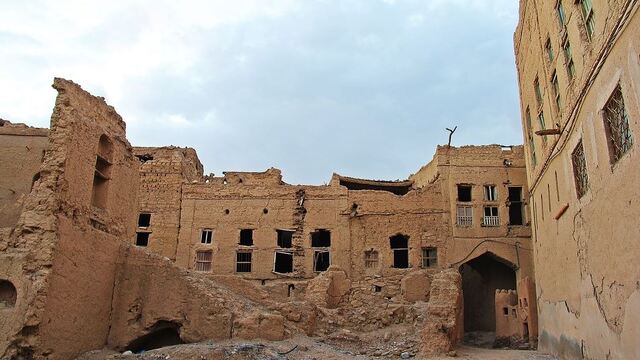
Al Ain Village :- The village of Al Ain, one of the most beautiful villages in Oman’s Saiki Plateau. Located on the edge of the Bani Habib Valley, it is famous for its fields, green mountain terraces and rose gardens. Pomegranates, apricots and walnuts grow abundantly in the valley below the village of Bani Habib, with rural terraced fields. In the valley you can see the ruins of an old abandoned village.

Drive to Wadi Bani Habib and Old Houses 10 Km, 15 Minutes.

Wadi Bani Habib:- In the Jebal Akhdar, an idyllic deserted Omani settlement is called Wadi Bani Habib. People advise visiting late in the day and early morning to avoid crowds and enjoy the town to yourself, which seems to get crowded during the daytime. You may take a quick stroll down to this hamlet or observe it from the view as the car moves by. Near Nizwa, in the Jabal Al Akhdar ranges, which are an extension of the Al Hajar highlands, is where you’ll find Wadi Bani Habib. The Wadi, which is 2000 meters above sea level, is filled with fruit palms.

Drive back to Muscat 193 Km, 2 hrs. 30 Minutes.

Inclusions

  • Pick up and Drop off as per itinerary in a Saloon car vehicle
  • Services of an experienced English/Arabic speaking chauffeur
  • All sightseeing as per the program
  • Water during the excursion

Exclusions

  • Any personal shopping/Monuments ticket/Any Meal
  • Additional areas you may wish to visit
  • Anything/Everything not mentioned in inclusions
Nizwa

Nizwa

Nizwa-tower

Nizwa-tower

Bahla

Bahla

Bahla

Bahla

Jebel-Shams

Jebel-Shams

Wadi-ghul

Wadi-ghul

Nizwa Nizwa-tower Bahla Bahla Jebel-Shams Wadi-ghul

After the breakfast tour begins.

Drive from Muscat to Nizwa 170 Km, 2 hrs.

Lunch in a local restaurant.

Arrival in Nizwa and visit Nizwa Fort, Nizwa Souq, Nizwa, Watch Tower, (Cattle Market, Bird Market, Carpet Market only on Fridays)

Nizwa Fort :- The erection of Nizwa fort, which was started in the seventeenth century by Sultan Bin Saif Al Yarubi, the utmost important member of the Yarubi tribe, and finished in twelve years, has a long and illustrious history. However, this Fort was constructed by Imam Al Sultan bin Malik Al Kharusi during the ninth century.

Nizwa Tower:- The foundation extends 30 meters (98 feet) underground. One of the most interesting features is the drum-like cylindrical tower about 45 meters (148 feet) in diameter and about 34 meters (112 feet) high. Two cannons guard the tower’s entrance, as well as a labyrinth of rooms, high-ceilinged halls, doorways, terraces, narrow staircases and corridors that give you a deeper look at the ingenuity of Omani architecture.

Nizwa Souq (Market):- which is close to the Nizwa fort, will offer you a taste of the past of Oman because most of its buildings still feature the country’s historical buildings. Based on what you wish to purchase, the souq is divided into separate sections; You can witness locals purchasing Omani Pottery, Silver jewelry, Handicrafts, Spices, Frankincense, Traditional Omani attire for both men and women, Traditional Khanjars (Dagger), Perfumes, Dates and Dates Honey, Meat, fruits and vegetables, Omani Traditional Sweet Halwa. The remaining of its souq offers distinctive mementos like fresh dates, lamps, and taqiya headgear. The typical Omani souq marketplace is the most incredible location to observe how the community market functions.

Drive to Bahla Fort 9 Km, 15 Minutes

Bahla Fort:- Bahla Fort, among the biggest in Oman, now towers over the expansive contemporary community of Bahla following years of repair. It was constructed by the Bani Nabhan clan, which ruled the region from the twelfth to the fifteenth century, and was designated a Unesco World Heritage Site in 1987. Although this massive fort has a couple of interpretive panels, its expansive vista from the castle walls and size are its main draws. A beautiful illustration of a medieval Islamic society built over the Falaj is the neighborhood’s mud-brick homes (irrigation channels). The winding roads here are best explored on foot.

Drive to Wadi Nakhar/Wadi Ghul 32 Km, 40 Minutes

Wadi Nakhar (Photo Stop):- Nakhar Wadi is also called the Middle East’s Grand Canyon. This location is accessible only after taking a lengthy, winding route and a hike atop the mountain. Indeed, this keeps it from becoming overrun with visitors. Additionally, it’s a great chance to interact with indigenous shepherds who live in little communities precariously perched on rock faces.
The most incredible canyon in Oman is Wadi Nakhr, which is located beneath the tallest peak in the nation. The adjacent walls rise more than 1000 to 1500 meters above the canyon’s floor. The sight from this canyon is magnificent because of the neighboring farmland

Wadi Ghul (Photo Stop):- One kilometer down to Wadi Ghul, Oman’s Grand Canyon, may be seen from the flat terrain beneath the summit of Jebel Shams, Oman’s tallest mountain, which rises to 3,000 meters. It’s difficult to imagine the size of this canyon and the plunge from this location, known as “the balcony.” The canyon’s strata and old igneous rocks make it nearly unearthly. Arizona’s Grand Canyon, it’s the World’s second-deepest canyon and the deepest in the Middle East.
The Ghul hamlet, a group of medieval mud houses carved into the hillside, is opposite the valley’s other side. The green contrasts well with orange areas and peaks with modest date orchards and agricultural holdings. The trekking trail starts near an old Ghul hamlet that has been deserted. You may take a scheduled guided trip or travel to a spectacular canyon using your car. However, it’s advisable to move with a four-wheel vehicle.

Jabal Shams (Oman’s Grand Canyon):- Welcome to the Grand Canyon of Arabia in the Jebel Shams Mountains of Oman. It’s a top-notch attraction offering breathtaking views and he’s one of the country’s best kept secrets. Bare Bare, a breathtakingly beautiful dark hill, the rare formation of Jebel Shams, or ‘Mountain of the Sun’, is 3,000 meters high and extends hundreds of kilometers into the Western Hajar Mountains.

Drive back to Muscat 254 Km, 3 hrs. 25 Minutes.

Overnight in Muscat.

Inclusions

  • Pick up and Drop off as per itinerary in a Saloon car vehicle
  • Services of an experienced English/Arabic speaking chauffeur
  • All sightseeing as per the program
  • Water during the excursion

Exclusions

  • Any personal shopping/Monuments ticket/Any Meal
  • Additional areas you may wish to visit
  • Anything/Everything not mentioned in inclusions

Nizwa

Nizwa

Nizwa

Nizwa

Nizwa-suq

Nizwa-suq

Nizwa-tower

Nizwa-tower

Bahla

Bahla

Bahla

Bahla

Nizwa Nizwa Nizwa-suq Nizwa-tower Bahla Bahla

After the breakfast tour begins.

Drive from Muscat to Nizwa 170 Km, 2 hrs.

Lunch in a local restaurant.

Arrival in Nizwa and visit Nizwa Fort, Nizwa Souq, Nizwa, Watch Tower, (Cattle Market, Bird Market, Carpet Market only on Fridays)

Nizwa Fort :- The erection of Nizwa fort, which was started in the seventeenth century by Sultan Bin Saif Al Yarubi, the utmost important member of the Yarubi tribe, and finished in twelve years, has a long and illustrious history. However, this Fort was constructed by Imam Al Sultan bin Malik Al Kharusi during the ninth century.

Nizwa Tower:- The foundation extends 30 meters (98 feet) underground. One of the most interesting features is the drum-like cylindrical tower about 45 meters (148 feet) in diameter and about 34 meters (112 feet) high. Two cannons guard the tower’s entrance, as well as a labyrinth of rooms, high-ceilinged halls, doorways, terraces, narrow staircases and corridors that give you a deeper look at the ingenuity of Omani architecture.

Nizwa Souq (Market):- which is close to the Nizwa fort, will offer you a taste of the past of Oman because most of its buildings still feature the country’s historical buildings. Based on what you wish to purchase, the souq is divided into separate sections; You can witness locals purchasing Omani Pottery, Silver jewelry, Handicrafts, Spices, Frankincense, Traditional Omani attire for both men and women, Traditional Khanjars (Dagger), Perfumes, Dates and Dates Honey, Meat, fruits and vegetables, Omani Traditional Sweet Halwa. The remaining of its souq offers distinctive mementos like fresh dates, lamps, and taqiya headgear. The typical Omani souq marketplace is the most incredible location to observe how the community market functions.

Drive to Jabreen Castle 42 Km, 30 Minutes

Jabreen Castle:- Jabreen Castle rises majestically from the neighboring plain without opposition. Even though there is an abundance of defenses, Jabreen is among the most charming and well-preserved fortresses out there. Hence it’s worth the struggle to scale another series of battlements. You’ve to head towards the flagpole for a bird’s-eye glimpse of the courtyard with honeycomb windows at the keep’s center. The spaces here have unique colored ceilings. In contrast to other castles and forts in Oman, Jabreen Castle was constructed in 1675 by Imam Bil-Arab Bin Sultan and served as a significant hub of education for Islamic law, medicine, and astrology. Within the extensive battlements, there’s a great deal to understand about the castle’s history.

Drive to Bahla Fort 9 Km, 15 Minutes

Bahla Fort:- Bahla Fort, among the biggest in Oman, now towers over the expansive contemporary community of Bahla following years of repair. It was constructed by the Bani Nabhan clan, which ruled the region from the twelfth to the fifteenth century, and was designated a Unesco World Heritage Site in 1987. Although this massive fort has a couple of interpretive panels, its expansive vista from the castle walls and size are its main draws. A beautiful illustration of a medieval Islamic society built over the Falaj is the neighborhood’s mud-brick homes (irrigation channels). The winding roads here are best explored on foot.

Drive to Falaj Daris & Birkat Al Mouz 53 Km, 40 Minutes

Falaj Daris:- The Falaj Daris is perhaps Oman’s biggest Falaj and a World Heritage Site in Nizwa, giving the city the water it needs for its farmlands and crops. Locals frequently visit the park created on a little fraction of the Falaj! This old Falaj is thought to date back to 2500 BC! Hence, While you’re on vacation in Nizwa, the Falaj is an excellent location to unwind and relax!

Birkat Al Mouz:- In Oman’s Nizwa province, in the Ad Dakhiliyah district, is the historic hamlet of Birkat Al Mouz. It also houses the reconstructed fort known as Bait al Redidah and functions as the gateway to the Wadi Al-Muaydin on Jebel Akhdar’s southern edge. We highly suggest you make a pit break at the Birkat Al Mouz remains on your approach to Jebel Akhdar since the scenery from this village will transport you to a different era. You would also learn about the way that these native inhabitants resided in these mountains, which were bordered by plantations.

Drive back to Muscat 129 Km 1 Hrs. 56 Minutes

Overnight in Muscat.

Inclusions

  • Pick up and Drop off as per itinerary in a Saloon car vehicle
  • Services of an experienced English/Arabic speaking chauffeur
  • All sightseeing as per the program
  • Water during the excursion

Exclusions

  • Any personal shopping/Monuments ticket/Any Meal
  • Additional areas you may wish to visit
  • Anything/Everything not mentioned in inclusions

Grand-mosque

Grand-mosque

Opera-house

Opera-house

Al-Alam-palace

Al-Alam-palace

Souq-matra

Souq-matra

Bait-al-zubair

Bait-al-zubair

Mirani-JAlali-fort

Mirani-JAlali-fort

Grand-mosque Opera-house Al-Alam-palace Souq-matra Bait-al-zubair Mirani-JAlali-fort

After the breakfast tour begins.

Drive from Muscat

Lunch in a local restaurant.

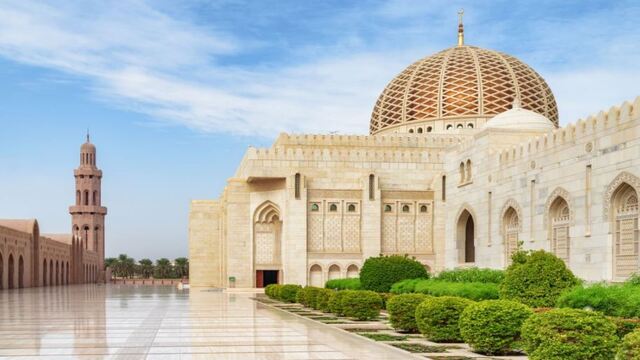
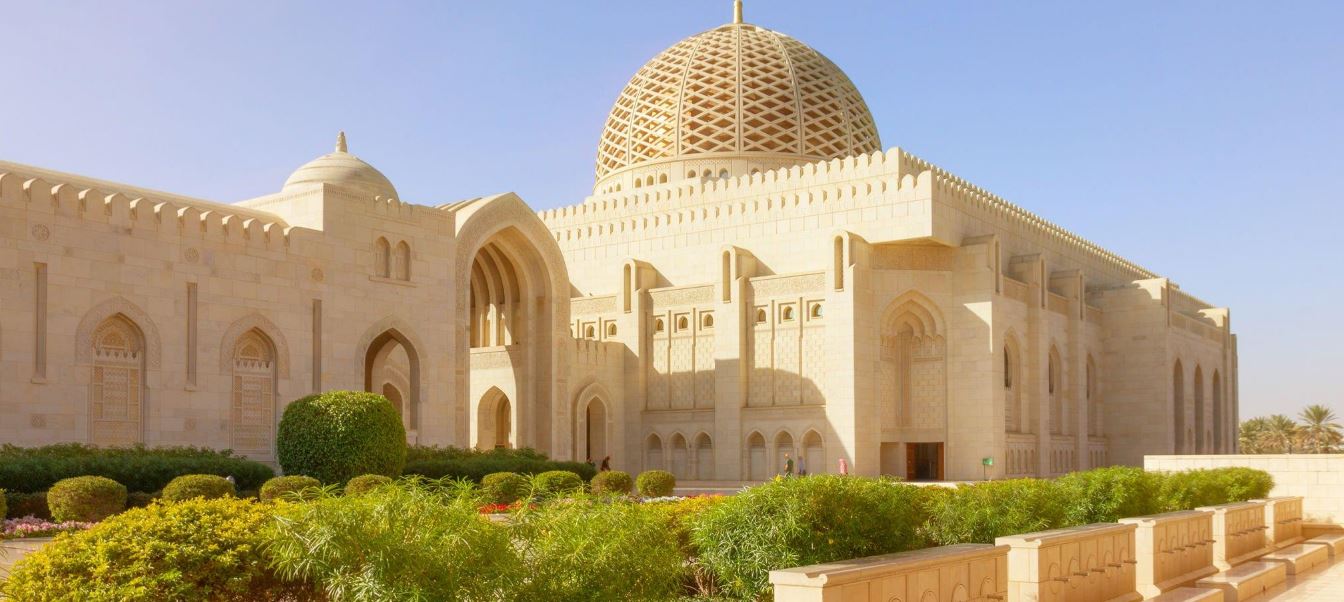
Grand Mosque:- Also named Sultan Qaboos Grand Mosque, it is Oman’s most prominent mosque, with 20,000 worshippers at a time. The mosque is a wonderment of contemporary architecture, and this worship center is beautifully crafted with Islamic, Omani, and Middle-eastern architectural designs

Timings: For non-Muslims, the mosque is open from Saturday to Thursday between 8 am to 11 am.

Muslims can visit any time.

Fish Market :- Located in the heart of Muttrah in Oman’s largest port, the new fish market is a tribute to Oman’s past and future. The town of Muttrah is known for its long trading history, unique port and long-standing fishing tradition. Located near the city’s original fish market, which was built in 1960, the new market represents the continuation of the region’s trading and fishing traditions, while also meeting Oman’s need to cater to its growing tourism industry.

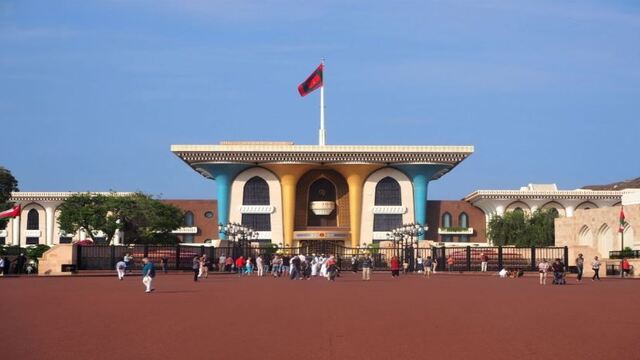
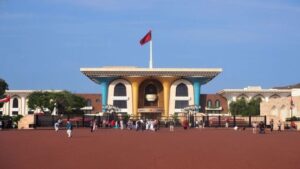
Al Alam Palace :- This royal palace carries 200 yrs history and allows visitors to take photographs from outside. Also called The Sultan Qaboos Palace, the residence is one of the best representations of vibrant Islamic architecture. Now, the property is used to accommodate distinguished officials. Constructed by Imam Sultan Bin Ahmed, the palace is surrounded by The Mutrah harbor and lush greenery.

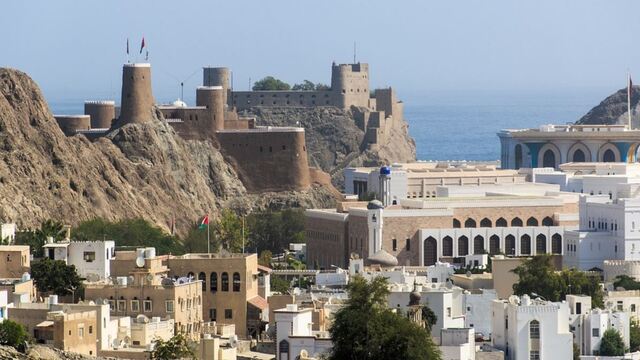
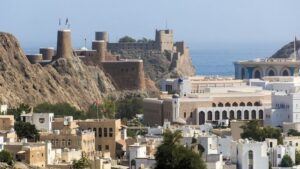
Al Mirani Al Jalali Fort :- This 16th-century fort, along with the AI Jalali Fort, was erected by the Portuguese to guard the Muscat port. Visitors are not allowed to enter the palace, but they can enjoy the mesmerizing view from outside. The form played a significant role in the defeat of the Portuguese. The architectural wonder has various tools on display used in an ancient war.

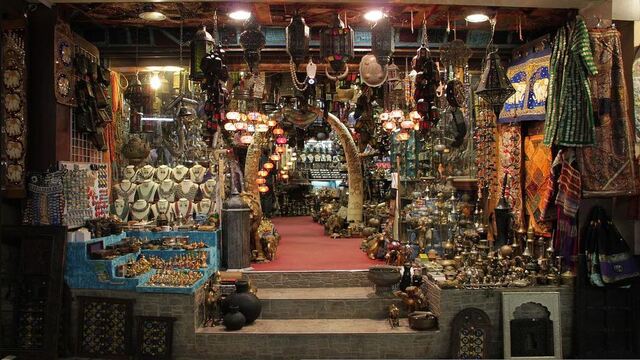
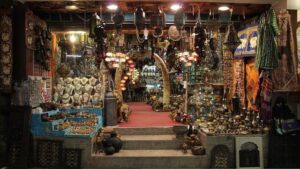
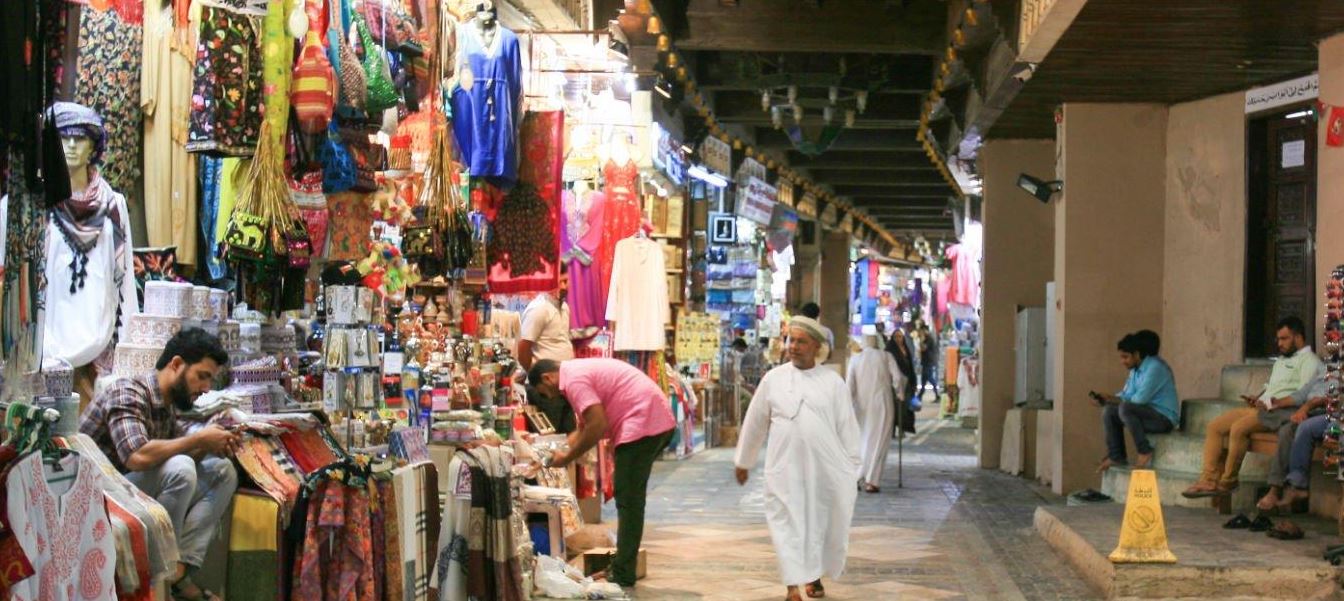
Mutrah Souk :- Located in the heart of Muttra in Oman’s largest port, the new fish market is a tribute to Oman’s past and future. The town of Muttra is known for its long trading history, unique port and long-standing fishing tradition. Located near the city’s original fish market, which was built in 1960, the new market represents the continuation of the region’s trading and fishing traditions, while also meeting Oman’s need to cater to its growing tourism industry.

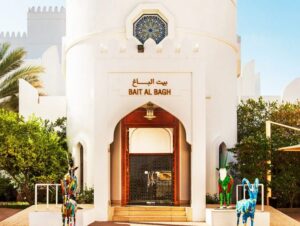
Bait Al Zubair :- Situated in Muscat City, this private museum houses historical items belonging to Oman’s cultural, military, and social past. Opened in 1998, this architectural complex has an extensive collection of artifacts like jewelry, weapon, household goods, Khanjars, and costumes Of Omani culture.

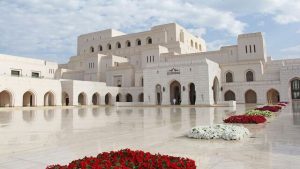
Opera House (Photo Stop) :- People who have a particular interest in art, music, and culture should keep it on their wishlist while traveling to Muscat. Set up in the year 2001, the magnificent complex has an auditorium, theatre, art center, and landscape garden. With a capacity of 1100 people, the art center is a true example of carrying the heritage with the arrangements of diversified cultural events.

Muttra Corniche (Photo stop) :- Mutrah stretches along an attractive corniche of latticed buildings and mosques; it looks spectacular at sunset when the light casts shadows across the serrated crescent of mountains, while pavements, lights and fountains invite an evening stroll or a bike ride.

Muttra Fort (Photo Stop) :- Muttrah stretches along an attractive corniche of half-timbered houses and mosques. At sunset, it looks spectacular as the light casts shadows on the mountain’s jagged crescent and the walkways, lights and fountains invite evening walks and bike rides.

Inclusions

  • Pick up and Drop off as per itinerary in a Saloon car vehicle
  • Services of an experienced English/Arabic speaking chauffeur
  • All sightseeing as per the program
  • Water during the excursion

Exclusions

  • Any personal shopping/Monuments ticket/Any Meal
  • Additional areas you may wish to visit
  • Anything/Everything not mentioned in inclusions
Grand-Mosque

Grand-Mosque

Mattra-Souq

Mattra-Souq

Al-Alam-palace

Al-Alam-palace

Opera-house

Opera-house

Grand-Mosque Mattra-Souq Al-Alam-palace Opera-house

After the breakfast tour begins.

Grand Mosque:- Also named Sultan Qaboos Grand Mosque, it is Oman’s most prominent mosque, with 20,000 worshippers at a time. The mosque is a wonderment of contemporary architecture, and this worship center is beautifully crafted with Islamic, Omani, and Middle-eastern architectural designs

Timings: For non-Muslims, the mosque is open from Saturday to Thursday between 8 am to 11 am.

Muslims can visit any time.

Fish Market :- Located in the heart of Muttrah in Oman’s largest port, the new fish market is a tribute to Oman’s past and future. The town of Muttrah is known for its long trading history, unique port and long-standing fishing tradition. Located near the city’s original fish market, which was built in 1960, the new market represents the continuation of the region’s trading and fishing traditions, while also meeting Oman’s need to cater to its growing tourism industry.

Al Alam Palace :- This royal palace carries 200 yrs history and allows visitors to take photographs from outside. Also called The Sultan Qaboos Palace, the residence is one of the best representations of vibrant Islamic architecture. Now, the property is used to accommodate distinguished officials. Constructed by Imam Sultan Bin Ahmed, the palace is surrounded by The Mutrah harbor and lush greenery.

Al Mirani Al Jalali Fort :- This 16th-century fort, along with the AI Jalali Fort, was erected by the Portuguese to guard the Muscat port. Visitors are not allowed to enter the palace, but they can enjoy the mesmerizing view from outside. The form played a significant role in the defeat of the Portuguese. The architectural wonder has various tools on display used in an ancient war.

Mutrah Souk :- Located in the heart of Muttra in Oman’s largest port, the new fish market is a tribute to Oman’s past and future. The town of Muttra is known for its long trading history, unique port and long-standing fishing tradition. Located near the city’s original fish market, which was built in 1960, the new market represents the continuation of the region’s trading and fishing traditions, while also meeting Oman’s need to cater to its growing tourism industry.

Bait Al Zubair :- Situated in Muscat City, this private museum houses historical items belonging to Oman’s cultural, military, and social past. Opened in 1998, this architectural complex has an extensive collection of artifacts like jewelry, weapon, household goods, Khanjars, and costumes Of Omani culture.

Opera House (Photo Stop) :- People who have a particular interest in art, music, and culture should keep it on their wishlist while traveling to Muscat. Set up in the year 2001, the magnificent complex has an auditorium, theatre, art center, and landscape garden. With a capacity of 1100 people, the art center is a true example of carrying the heritage with the arrangements of diversified cultural events.

Muttra Corniche (Photo stop) :- Mutrah stretches along an attractive corniche of latticed buildings and mosques; it looks spectacular at sunset when the light casts shadows across the serrated crescent of mountains, while pavements, lights and fountains invite an evening stroll or a bike ride.

Muttra Fort (Photo Stop) :- Muttrah stretches along an attractive corniche of half-timbered houses and mosques. At sunset, it looks spectacular as the light casts shadows on the mountain’s jagged crescent and the walkways, lights and fountains invite evening walks and bike rides.

Inclusions

  • Pick up and Drop off as per itinerary in a Saloon car vehicle
  • Services of an experienced English/Arabic speaking chauffeur
  • All sightseeing as per the program
  • Water during the excursion

Exclusions

  • Any personal shopping/Monuments ticket/Any Meal
  • Additional areas you may wish to visit
  • Anything/Everything not mentioned in inclusions
Ask for a quote