Grand-mosque

Grand-mosque

Opera-house

Opera-house

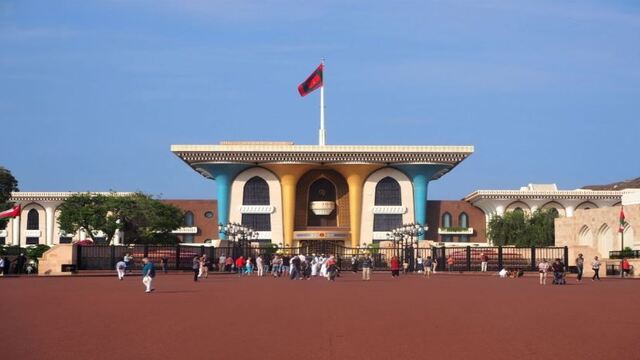
Al-Alam-palace

Al-Alam-palace

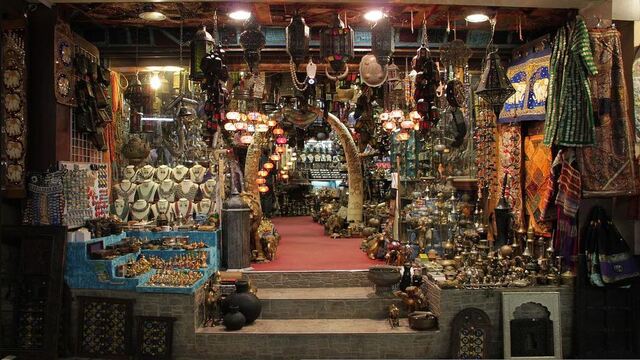
Souq-matra

Souq-matra

Bait-al-zubair

Bait-al-zubair

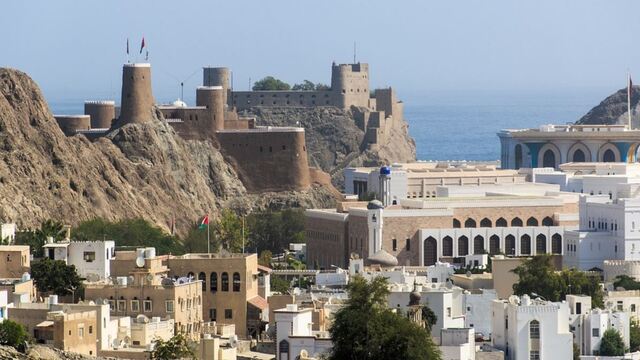
Mirani-JAlali-fort

Mirani-JAlali-fort

Grand-mosque Opera-house Al-Alam-palace Souq-matra Bait-al-zubair Mirani-JAlali-fort

Tour of Muscat half day and relax at beach

Tour Details: Exit from the port and drive to the Grand Mosque
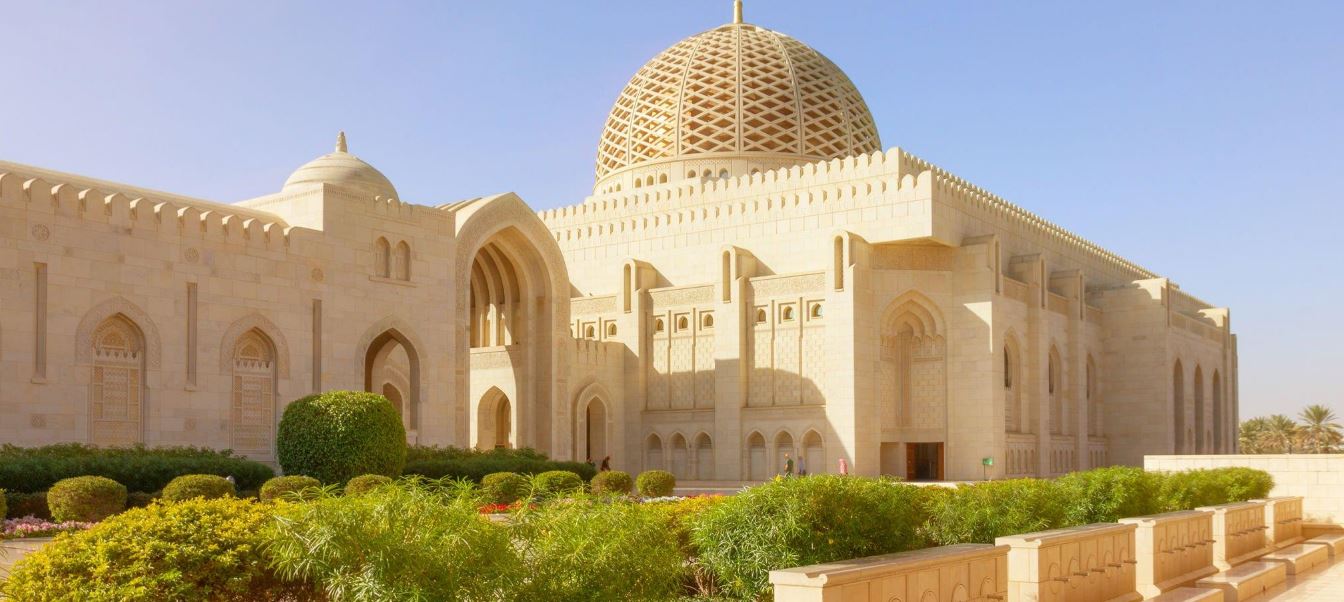
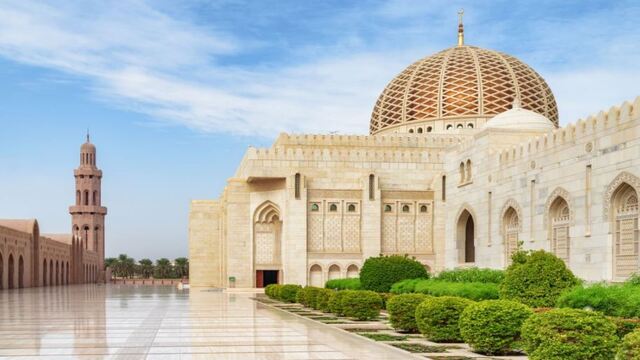
Grand Mosque:- Also named Sultan Qaboos Grand Mosque, it is Oman’s most prominent mosque, with 20,000 worshippers at a time. The mosque is a wonderment of contemporary architecture, and this worship center is beautifully crafted with Islamic, Omani, and Middle-eastern architectural designs

Note: – Timings: For non-Muslims, the mosque is open from Saturday to Thursday between 8 am to 11 am. Muslims can visit any time. Women should cover their head with the lady scarf, Must wear long sleeve Shirt/Top/T-Shirt and should cover their leg till the ankle. Men should wear full pants and half sleeve shirt or t-shirt also permitted. Both should not wear transparent clothing and no pictures of living beings.

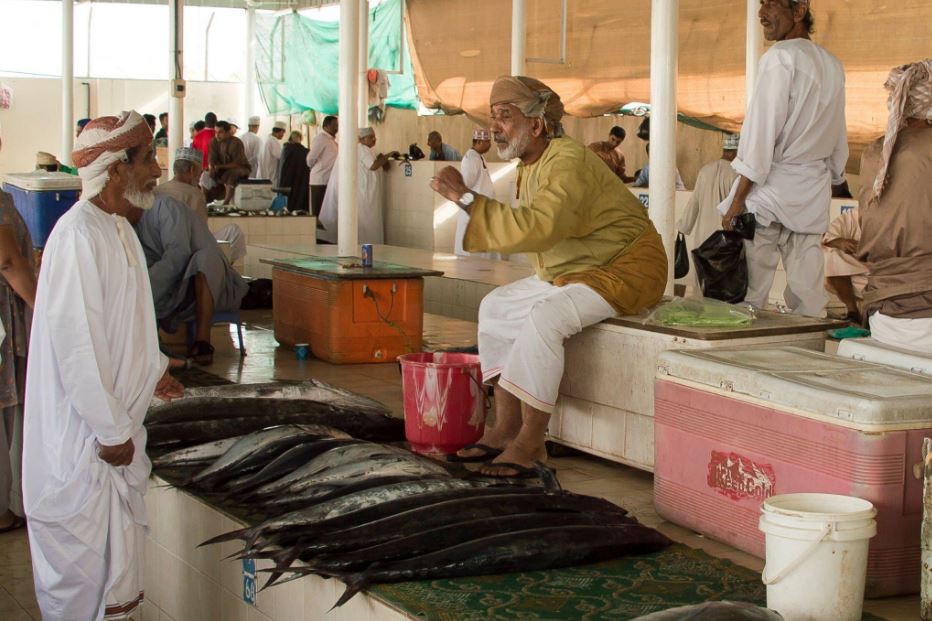
Fish Market :- Located in the heart of Muttrah in Oman’s largest port, the new fish market is a tribute to Oman’s past and future. The town of Muttrah is known for its long trading history, unique port and long-standing fishing tradition. Located near the city’s original fish market, which was built in 1960, the new market represents the continuation of the region’s trading and fishing traditions, while also meeting Oman’s need to cater to its growing tourism industry.

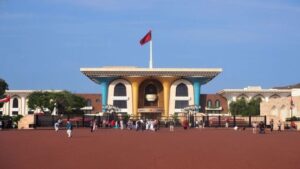
Al Alam Palace :- This royal palace carries 200 yrs history and allows visitors to take photographs from outside. Also called The Sultan Qaboos Palace, the residence is one of the best representations of vibrant Islamic architecture. Now, the property is used to accommodate distinguished officials. Constructed by Imam Sultan Bin Ahmed, the palace is surrounded by The Mutrah harbor and lush greenery.

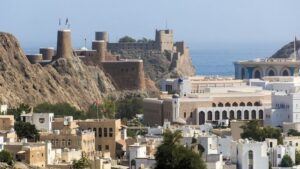
Al Mirani Al Jalali Fort :- This 16th-century fort, along with the AI Jalali Fort, was erected by the Portuguese to guard the Muscat port. Visitors are not allowed to enter the palace, but they can enjoy the mesmerizing view from outside. The form played a significant role in the defeat of the Portuguese. The architectural wonder has various tools on display used in an ancient war.

Mutrah Souk :- Located in the heart of Muttra in Oman’s largest port, the new fish market is a tribute to Oman’s past and future. The town of Muttra is known for its long trading history, unique port and long-standing fishing tradition. Located near the city’s original fish market, which was built in 1960, the new market represents the continuation of the region’s trading and fishing traditions, while also meeting Oman’s need to cater to its growing tourism industry.

Bait Al Zubair :- Situated in Muscat City, this private museum houses historical items belonging to Oman’s cultural, military, and social past. Opened in 1998, this architectural complex has an extensive collection of artifacts like jewelry, weapon, household goods, Khanjars, and costumes Of Omani culture.

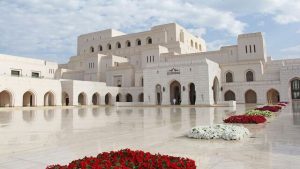
Opera House (Photo Stop) :- People who have a particular interest in art, music, and culture should keep it on their wishlist while traveling to Muscat. Set up in the year 2001, the magnificent complex has an auditorium, theatre, art center, and landscape garden. With a capacity of 1100 people, the art center is a true example of carrying the heritage with the arrangements of diversified cultural events.

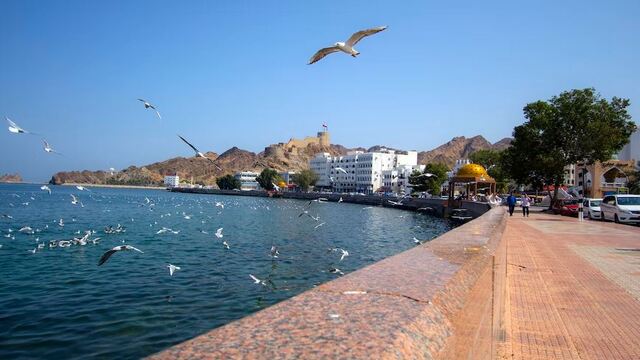
Muttra Corniche (Photo stop) :- Mutrah stretches along an attractive corniche of latticed buildings and mosques; it looks spectacular at sunset when the light casts shadows across the serrated crescent of mountains, while pavements, lights and fountains invite an evening stroll or a bike ride.
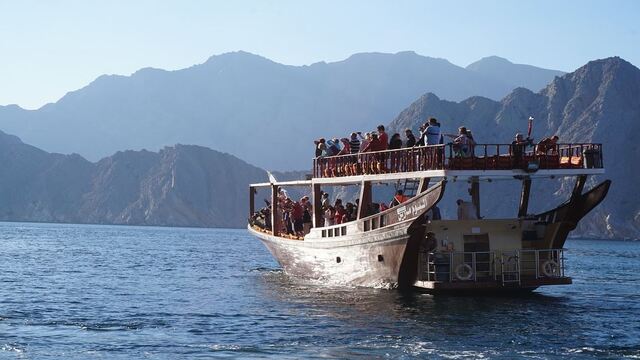
Proceed to the beach and relax.

After the beach return back to port.

Mutra-corniche

Mutra-corniche

Dhow

Dhow

Souq-matra

Souq-matra

Seeb-fish-market

Seeb-fish-market

Mutra-corniche Dhow Souq-matra Seeb-fish-market

Four Hours

The tour starts from the port gate. You will visit the local fish market then you proceed to Bait al Baranada Museum after you will walk across Muttrah a small and important town of Muscat and reach Muttrah souq. Once reached Muttrah souq you will have time for shopping. After visiting the Muttarah souq you will have a short walk on Muttrah Corniche and you will be transferred to port by bus.

Fish Market:- Located in the heart of Muttrah in Oman’s largest port, the new fish market is a tribute to Oman’s past and future. The town of Muttrah is known for its long trading history, unique port and long-standing fishing tradition. Located near the city’s original fish market, which was built in 1960, the new market represents the continuation of the region’s trading and fishing traditions, while also meeting Oman’s need to cater to its growing tourism industry.

Bait al Baranada :- This is one of Muscat`s historical and cultural sites, also known as Naseeb’s House. Using interactive technology to display images of tectonic plate movement from the past 750 million years to the present, the museum tells the story of Muscat from its geological formations to the present day, shaping the continent in the past. will form and change over the next 250 million years.

Mutrah Souk :- Located in the heart of Muttra in Oman’s largest port, the new fish market is a tribute to Oman’s past and future. The town of Muttra is known for its long trading history, unique port and long-standing fishing tradition. Located near the city’s original fish market, which was built in 1960, the new market represents the continuation of the region’s trading and fishing traditions, while also meeting Oman’s need to cater to its growing tourism industry.

Muttra Corniche (Photo stop) :- Snaking its way along the coast, Mutrah Corniche is one of the most loved places in Muscat among locals and tourists alike. Offering splendid views of the sea, the seaside promenade, the Corniche appears especially resplendent during the sunset as the waning light hits the shimmering waters at low angles. The Corniche crosses a few pristine gardens and sculpture parks along the way. The northern end of the Corniche has a little local Souq, that visitors can enjoy at their own leisure.

Muscat-cover

Muscat-cover

Bait-al-zubair

Bait-al-zubair

Nakhal

Nakhal

Nakhal-fort

Nakhal-fort

Seeb-fish-market

Seeb-fish-market

Muscat-cover Bait-al-zubair Nakhal Nakhal-fort Seeb-fish-market

Full day Tour

Grand Mosque:- Also named Sultan Qaboos Grand Mosque, it is Oman’s most prominent mosque, with 20,000 worshippers at a time. The mosque is a wonderment of contemporary architecture, and this worship center is beautifully crafted with Islamic, Omani, and Middle-eastern architectural designs

Note:- Timings: For non-Muslims, the mosque is open from Saturday to Thursday between 8 am to 11 am. Muslims can visit any time. Women should cover their head with the lady scarf, Must wear long sleeve Shirt/Top/T-Shirt and should cover their leg till the ankle. Men should wear full pants and half sleeve shirt or t-shirt also permitted. Both should not wear transparent clothing and no pictures of living beings.

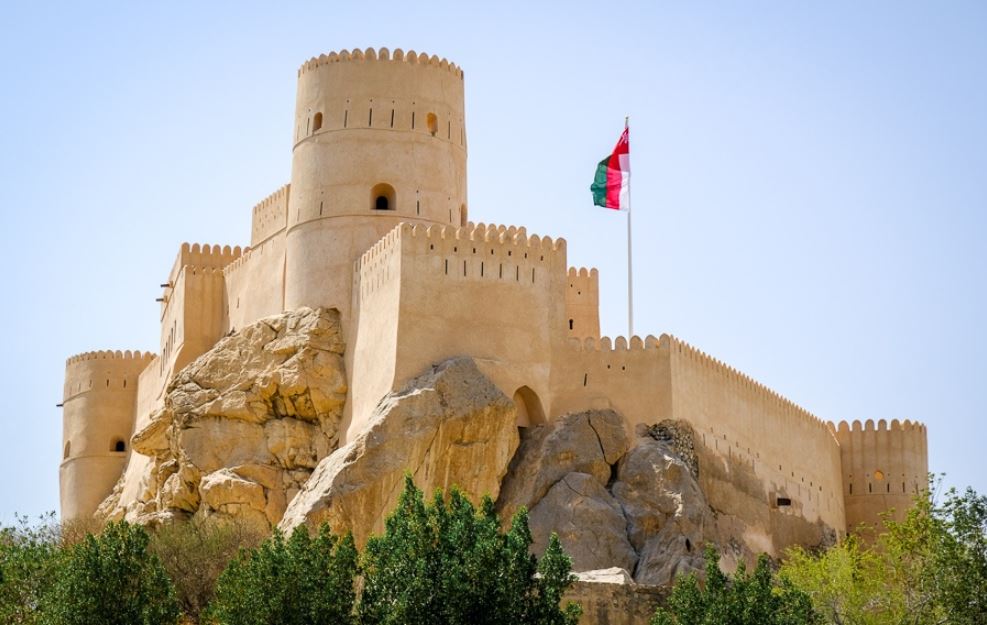
Nakhal Fort:- Although the government rebuilt much of the existing walls for this castle in the seventeenth century, it was initially constructed in the pre-Islamic periods (i.e., ninth century). Various defenses and guns surround the fort’s peak, and the fortifications are formidable. In the background, you may even make out the craggy Al Hajar Mountains. It’s rewarding to stroll in a roundabout the exterior of the castle prior you explore the interior to get a more profound examination of the ramparts. These are awesome, and they somewhat take you back to the medieval era.

Ayn Thowarah(Hot water Spring) :- This is a hot spring that is located beside Nakhal Fort naturally. In Nakhal, you must explore Al Thawarah Hot Spring, one of Oman’s most fabulous thrilling tourist destinations. The Nakhal Fort isn’t too far from the swimming hole, and an artificial swimming pool and a river in which the spring flows are pleasant for a walk. It would be best if you went during the weekdays because the weekend is usually very crowded.

Al Alam Palace :- This royal palace carries 200 yrs history and allows visitors to take photographs from outside. Also called The Sultan Qaboos Palace, the residence is one of the best representations of vibrant Islamic architecture. Now, the property is used to accommodate distinguished officials. Constructed by Imam Sultan Bin Ahmed, the palace is surrounded by The Mutrah harbor and lush greenery.

Al Mirani Al Jalali Fort :- This 16th-century fort, along with the AI Jalali Fort, was erected by the Portuguese to guard the Muscat port. Visitors are not allowed to enter the palace, but they can enjoy the mesmerizing view from outside. The form played a significant role in the defeat of the Portuguese. The architectural wonder has various tools on display used in an ancient war.

Mutrah Souk :- Located in the heart of Muttra in Oman’s largest port, the new fish market is a tribute to Oman’s past and future. The town of Muttra is known for its long trading history, unique port and long-standing fishing tradition. Located near the city’s original fish market, which was built in 1960, the new market represents the continuation of the region’s trading and fishing traditions, while also meeting Oman’s need to cater to its growing tourism industry.

Bait Al Zubair :- Situated in Muscat City, this private museum houses historical items belonging to Oman’s cultural, military, and social past. Opened in 1998, this architectural complex has an extensive collection of artifacts like jewelry, weapon, household goods, Khanjars, and costumes Of Omani culture.

Muttra Corniche (Photo stop) :- Mutrah stretches along an attractive corniche of latticed buildings and mosques; it looks spectacular at sunset when the light casts shadows across the serrated crescent of mountains, while pavements, lights and fountains invite an evening stroll or a bike ride.
Drive back to port.

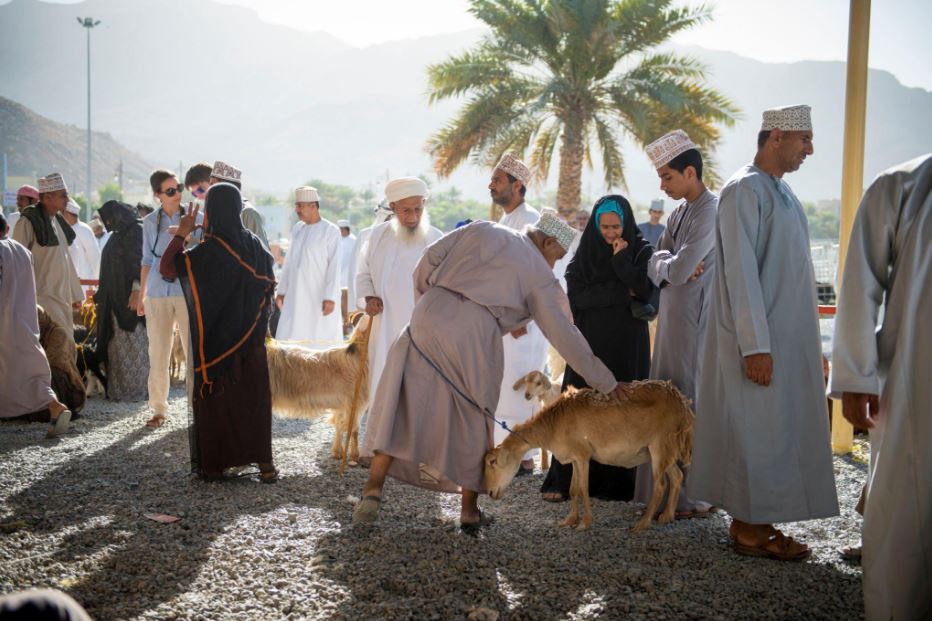
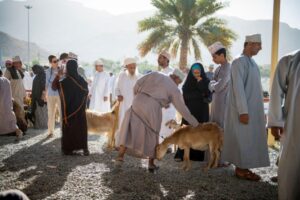
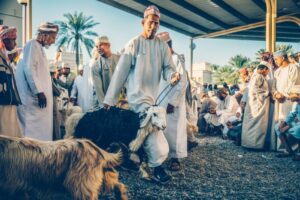
Nizwa-cattle-souq-for-friday

Nizwa-cattle-souq-for-friday

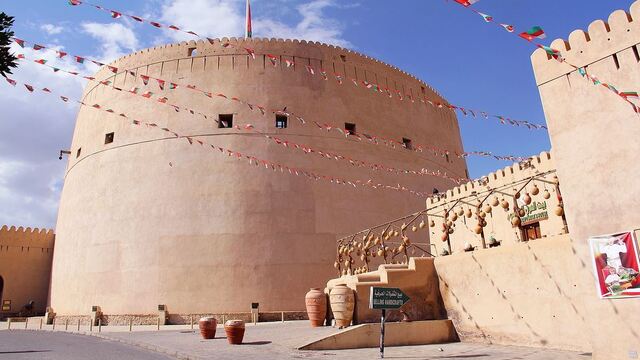
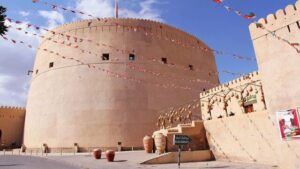
Nizwa-tower

Nizwa-tower

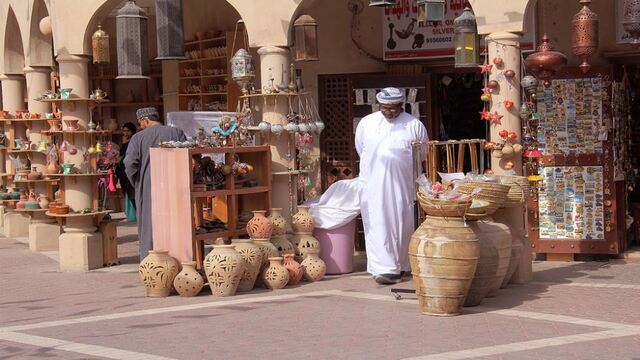
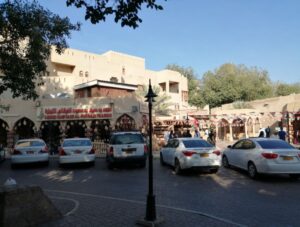
Nizwa-suq

Nizwa-suq

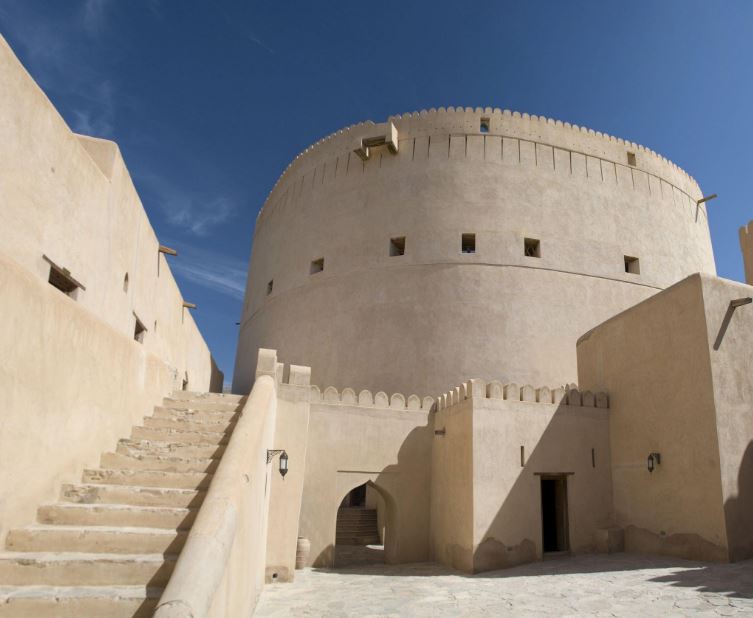
Nizwa-tower

Nizwa-tower

Nizwa-Souq

Nizwa-Souq

Nizwa

Nizwa

Nizwa-cattle-market

Nizwa-cattle-market

Nizwa

Nizwa

Nizwa

Nizwa

Nizwa-cattle-souq-for-friday Nizwa-tower Nizwa-suq Nizwa-tower Nizwa-Souq Nizwa Nizwa-cattle-market Nizwa Nizwa

Full day Tour

Drive from Muscat to Nizwa 170 Km, 2 hrs.

Arrival in Nizwa and visit Nizwa Fort, Nizwa Souq, Nizwa, Watch Tower, (Cattle Market, Bird Market, Carpet Market only on Fridays)

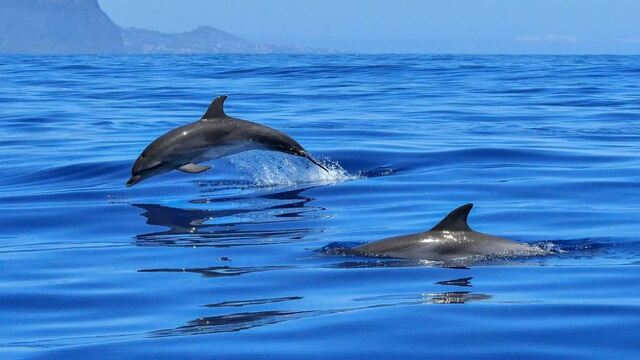
The dolphin watching and snorkeling tour Starts from Marina Bandar in the private yacht or sharing yacht, Muscat’s waters are teeming with wildlife, including whales, dolphins, turtles, all kinds of wild fish, and tropical fish swimming around coral reefs. Even if you’re unlucky and don’t see dolphins, the coastline is great and snorkeling is fine. You can swim in the sea every day of the year and see dolphins almost every day. Once you spot the dolphins, watching their acrobatic performance is thrilling. You can see many kinds of tropical fish and you may even see one or two turtles grabbing food on the reef. Snorkeling is available most days of the year.

Nizwa Fort :- The erection of Nizwa fort, which was started in the seventeenth century by Sultan Bin Saif Al Yarubi, the utmost important member of the Yarubi tribe, and finished in twelve years, has a long and illustrious history. However, this Fort was constructed by Imam Al Sultan bin Malik Al Kharusi during the ninth century.

Nizwa Tower:- The foundation extends 30 meters (98 feet) underground. One of the most interesting features is the drum-like cylindrical tower about 45 meters (148 feet) in diameter and about 34 meters (112 feet) high. Two cannons guard the tower’s entrance, as well as a labyrinth of rooms, high-ceilinged halls, doorways, terraces, narrow staircases and corridors that give you a deeper look at the ingenuity of Omani architecture.

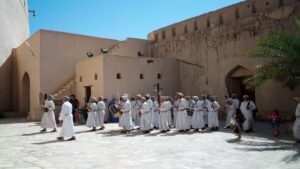
Nizwa Souq (Market):- which is close to the Nizwa fort, will offer you a taste of the past of Oman because most of its buildings still feature the country’s historical buildings. Based on what you wish to purchase, the souq is divided into separate sections; You can witness locals purchasing Omani Pottery, Silver jewelry, Handicrafts, Spices, Frankincense, Traditional Omani attire for both men and women, Traditional Khanjars (Dagger), Perfumes, Dates and Dates Honey, Meat, fruits and vegetables, Omani Traditional Sweet Halwa. The remaining of its souq offers distinctive mementos like fresh dates, lamps, and taqiya headgear. The typical Omani souq marketplace is the most incredible location to observe how the community market functions.

Jabreen Castle:- Jabreen Castle rises majestically from the neighboring plain without opposition. Even though there is an abundance of defenses, Jabreen is among the most charming and well-preserved fortresses out there. Hence it’s worth the struggle to scale another series of battlements. You’ve to head towards the flagpole for a bird’s-eye glimpse of the courtyard with honeycomb windows at the keep’s center. The spaces here have unique colored ceilings. In contrast to other castles and forts in Oman, Jabreen Castle was constructed in 1675 by Imam Bil-Arab Bin Sultan and served as a significant hub of education for Islamic law, medicine, and astrology. Within the extensive battlements, there’s a great deal to understand about the castle’s history.

Drive back to port.

Dolphins

Dolphins

Al-Alam-palace

Al-Alam-palace

Mirani-Jalali-fort

Mirani-Jalali-fort

Dolphins Al-Alam-palace Mirani-Jalali-fort

Full day Tour

The dolphin watching and snorkeling tour Starts from Marina Bandar in the private yacht or sharing yacht, Muscat’s waters are teeming with wildlife, including whales, dolphins, turtles, all kinds of wild fish, and tropical fish swimming around coral reefs. Even if you’re unlucky and don’t see dolphins, the coastline is great and snorkeling is fine. You can swim in the sea every day of the year and see dolphins almost every day. Once you spot the dolphins, watching their acrobatic performance is thrilling. You can see many kinds of tropical fish and you may even see one or two turtles grabbing food on the reef. Snorkeling is available most days of the year.

Al Alam Palace :- This royal palace carries 200 yrs history and allows visitors to take photographs from outside. Also called The Sultan Qaboos Palace, the residence is one of the best representations of vibrant Islamic architecture. Now, the property is used to accommodate distinguished officials. Constructed by Imam Sultan Bin Ahmed, the palace is surrounded by The Mutrah harbor and lush greenery.

Al Mirani Al Jalali Fort :- This 16th-century fort, along with the AI Jalali Fort, was erected by the Portuguese to guard the Muscat port. Visitors are not allowed to enter the palace, but they can enjoy the mesmerizing view from outside. The form played a significant role in the defeat of the Portuguese. The architectural wonder has various tools on display used in an ancient war.

Drive back to port.

Grand-mosque

Grand-mosque

Opera-house

Opera-house

Al-Alam-palace

Al-Alam-palace

Souq-matra

Souq-matra

Bait-al-zubair

Bait-al-zubair

Mirani-JAlali-fort

Mirani-JAlali-fort

Grand-mosque Opera-house Al-Alam-palace Souq-matra Bait-al-zubair Mirani-JAlali-fort

After the breakfast tour begins.

Drive from Muscat

Lunch in a local restaurant.

Grand Mosque:- Also named Sultan Qaboos Grand Mosque, it is Oman’s most prominent mosque, with 20,000 worshippers at a time. The mosque is a wonderment of contemporary architecture, and this worship center is beautifully crafted with Islamic, Omani, and Middle-eastern architectural designs

Timings: For non-Muslims, the mosque is open from Saturday to Thursday between 8 am to 11 am.

Muslims can visit any time.

Fish Market :- Located in the heart of Muttrah in Oman’s largest port, the new fish market is a tribute to Oman’s past and future. The town of Muttrah is known for its long trading history, unique port and long-standing fishing tradition. Located near the city’s original fish market, which was built in 1960, the new market represents the continuation of the region’s trading and fishing traditions, while also meeting Oman’s need to cater to its growing tourism industry.

Al Alam Palace :- This royal palace carries 200 yrs history and allows visitors to take photographs from outside. Also called The Sultan Qaboos Palace, the residence is one of the best representations of vibrant Islamic architecture. Now, the property is used to accommodate distinguished officials. Constructed by Imam Sultan Bin Ahmed, the palace is surrounded by The Mutrah harbor and lush greenery.

Al Mirani Al Jalali Fort :- This 16th-century fort, along with the AI Jalali Fort, was erected by the Portuguese to guard the Muscat port. Visitors are not allowed to enter the palace, but they can enjoy the mesmerizing view from outside. The form played a significant role in the defeat of the Portuguese. The architectural wonder has various tools on display used in an ancient war.

Mutrah Souk :- Located in the heart of Muttra in Oman’s largest port, the new fish market is a tribute to Oman’s past and future. The town of Muttra is known for its long trading history, unique port and long-standing fishing tradition. Located near the city’s original fish market, which was built in 1960, the new market represents the continuation of the region’s trading and fishing traditions, while also meeting Oman’s need to cater to its growing tourism industry.

Bait Al Zubair :- Situated in Muscat City, this private museum houses historical items belonging to Oman’s cultural, military, and social past. Opened in 1998, this architectural complex has an extensive collection of artifacts like jewelry, weapon, household goods, Khanjars, and costumes Of Omani culture.

Opera House (Photo Stop) :- People who have a particular interest in art, music, and culture should keep it on their wishlist while traveling to Muscat. Set up in the year 2001, the magnificent complex has an auditorium, theatre, art center, and landscape garden. With a capacity of 1100 people, the art center is a true example of carrying the heritage with the arrangements of diversified cultural events.

Muttra Corniche (Photo stop) :- Mutrah stretches along an attractive corniche of latticed buildings and mosques; it looks spectacular at sunset when the light casts shadows across the serrated crescent of mountains, while pavements, lights and fountains invite an evening stroll or a bike ride.

Muttra Fort (Photo Stop) :- Muttrah stretches along an attractive corniche of half-timbered houses and mosques. At sunset, it looks spectacular as the light casts shadows on the mountain’s jagged crescent and the walkways, lights and fountains invite evening walks and bike rides.

Inclusions

  • Pick up and Drop off as per itinerary in a Saloon car vehicle
  • Services of an experienced English/Arabic speaking chauffeur
  • All sightseeing as per the program
  • Water during the excursion

Exclusions

  • Any personal shopping/Monuments ticket/Any Meal
  • Additional areas you may wish to visit
  • Anything/Everything not mentioned in inclusions

Grand-Mosque

Grand-Mosque

Mattra-Souq

Mattra-Souq

Al-Alam-palace

Al-Alam-palace

Opera-house

Opera-house

Grand-Mosque Mattra-Souq Al-Alam-palace Opera-house

After the breakfast tour begins.

Grand Mosque:- Also named Sultan Qaboos Grand Mosque, it is Oman’s most prominent mosque, with 20,000 worshippers at a time. The mosque is a wonderment of contemporary architecture, and this worship center is beautifully crafted with Islamic, Omani, and Middle-eastern architectural designs

Timings: For non-Muslims, the mosque is open from Saturday to Thursday between 8 am to 11 am.

Muslims can visit any time.

Fish Market :- Located in the heart of Muttrah in Oman’s largest port, the new fish market is a tribute to Oman’s past and future. The town of Muttrah is known for its long trading history, unique port and long-standing fishing tradition. Located near the city’s original fish market, which was built in 1960, the new market represents the continuation of the region’s trading and fishing traditions, while also meeting Oman’s need to cater to its growing tourism industry.

Al Alam Palace :- This royal palace carries 200 yrs history and allows visitors to take photographs from outside. Also called The Sultan Qaboos Palace, the residence is one of the best representations of vibrant Islamic architecture. Now, the property is used to accommodate distinguished officials. Constructed by Imam Sultan Bin Ahmed, the palace is surrounded by The Mutrah harbor and lush greenery.

Al Mirani Al Jalali Fort :- This 16th-century fort, along with the AI Jalali Fort, was erected by the Portuguese to guard the Muscat port. Visitors are not allowed to enter the palace, but they can enjoy the mesmerizing view from outside. The form played a significant role in the defeat of the Portuguese. The architectural wonder has various tools on display used in an ancient war.

Mutrah Souk :- Located in the heart of Muttra in Oman’s largest port, the new fish market is a tribute to Oman’s past and future. The town of Muttra is known for its long trading history, unique port and long-standing fishing tradition. Located near the city’s original fish market, which was built in 1960, the new market represents the continuation of the region’s trading and fishing traditions, while also meeting Oman’s need to cater to its growing tourism industry.

Bait Al Zubair :- Situated in Muscat City, this private museum houses historical items belonging to Oman’s cultural, military, and social past. Opened in 1998, this architectural complex has an extensive collection of artifacts like jewelry, weapon, household goods, Khanjars, and costumes Of Omani culture.

Opera House (Photo Stop) :- People who have a particular interest in art, music, and culture should keep it on their wishlist while traveling to Muscat. Set up in the year 2001, the magnificent complex has an auditorium, theatre, art center, and landscape garden. With a capacity of 1100 people, the art center is a true example of carrying the heritage with the arrangements of diversified cultural events.

Muttra Corniche (Photo stop) :- Mutrah stretches along an attractive corniche of latticed buildings and mosques; it looks spectacular at sunset when the light casts shadows across the serrated crescent of mountains, while pavements, lights and fountains invite an evening stroll or a bike ride.
Muttra Fort (Photo Stop) :- Muttrah stretches along an attractive corniche of half-timbered houses and mosques. At sunset, it looks spectacular as the light casts shadows on the mountain’s jagged crescent and the walkways, lights and fountains invite evening walks and bike rides.

Inclusions

  • Pick up and Drop off as per itinerary in a Saloon car vehicle
  • Services of an experienced English/Arabic speaking chauffeur
  • All sightseeing as per the program
  • Water during the excursion

Exclusions

  • Any personal shopping/Monuments ticket/Any Meal
  • Additional areas you may wish to visit
  • Anything/Everything not mentioned in inclusions

Grand-mosque

Grand-mosque

Opera-house

Opera-house

Al-Alam-palace

Al-Alam-palace

Souq-matra

Souq-matra

Bait-al-zubair

Bait-al-zubair

Mirani-JAlali-fort

Mirani-JAlali-fort

Grand-mosque Opera-house Al-Alam-palace Souq-matra Bait-al-zubair Mirani-JAlali-fort

Places To Visit In Muscat

The beautiful city of Muscat is a wonderland for tourists from the country and abroad. The deserted land gives you thousand of opportunities to travel through adventurous sites, historical forts and palaces, alluring beaches, ancient markets, and aesthetic art-cultural galleries. Once you are in Oman, you don’t have any shortage of illumination during your holidays. Find the tour guide helpful to discover the desert city like never before and keep it treasured for a lifetime.

Grand Mosque Muscat

Also named Sultan Qaboos Grand Mosque, it is Oman’s most prominent mosque, with 20,000 worshippers at a time. The mosque is a wonderment of contemporary architecture, and this worship center is beautifully crafted with Islamic, Omani, and Middle-eastern architectural designs.

Timings: For non-muslims, the mosque is open from Saturday to Thursday between 8 am to 11 am. Muslims can visit any time.
Entry fee: Free

Al Alam Palace

This royal palace history and allows visitors to take photographs from outside. Also called The Sultan Qaboos Palace, the residence is one of the best representations of vibrant Islamic architecture. Now, the property is used to accommodate distinguished officials. Constructed by Imam Sultan Bin Ahmed, the palace is surrounded by The Mutrah harbor and lush greenery.
Timings: Open all days for 24 hrs
Entry fee: Inside entry is restricted

Royal Opera House

People who have a particular interest in art, music, and culture should keep it on their wishlist while traveling to Muscat. Set up in the year 2001, the magnificent complex has an auditorium, theatre, art center, and landscape garden. With a capacity of 1100 people, the art center is a true example of carrying the heritage with the arrangements of diversified cultural events.

Timings: 8.30 AM to 10.30 AM

Entry fee: OMR 3 for adults and OMR 1 for child

Al Mirani and Jalali Fort

This 16th-century fort, along with the AI Jalali Fort, was erected by the Portuguese to guard the Muscat port. Visitors are not allowed to enter the palace, but they can enjoy the mesmerizing view from outside. The form played a significant role in the defeat of the Portuguese. The architectural wonder has various tools on display used in an ancient war.

Timings: 6 am to 6 pm
Total time taken: 1-2 hrs
Entry fee: Free

Mutrah Souk

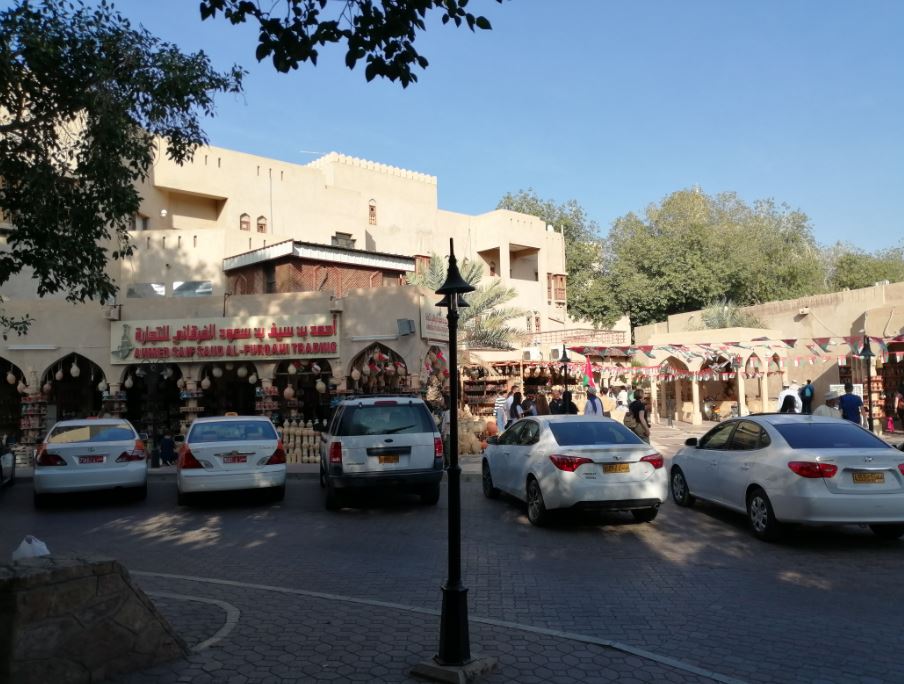
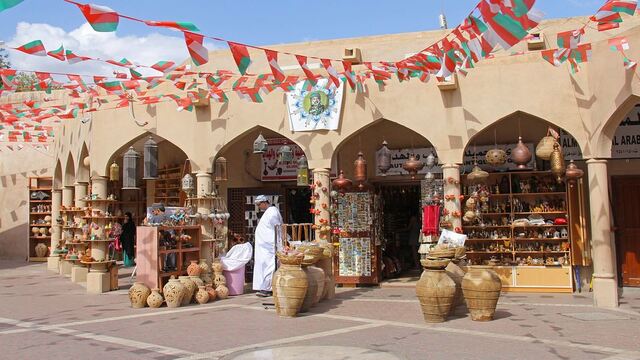
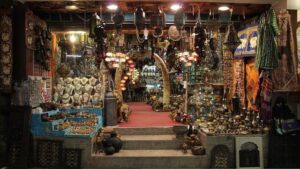
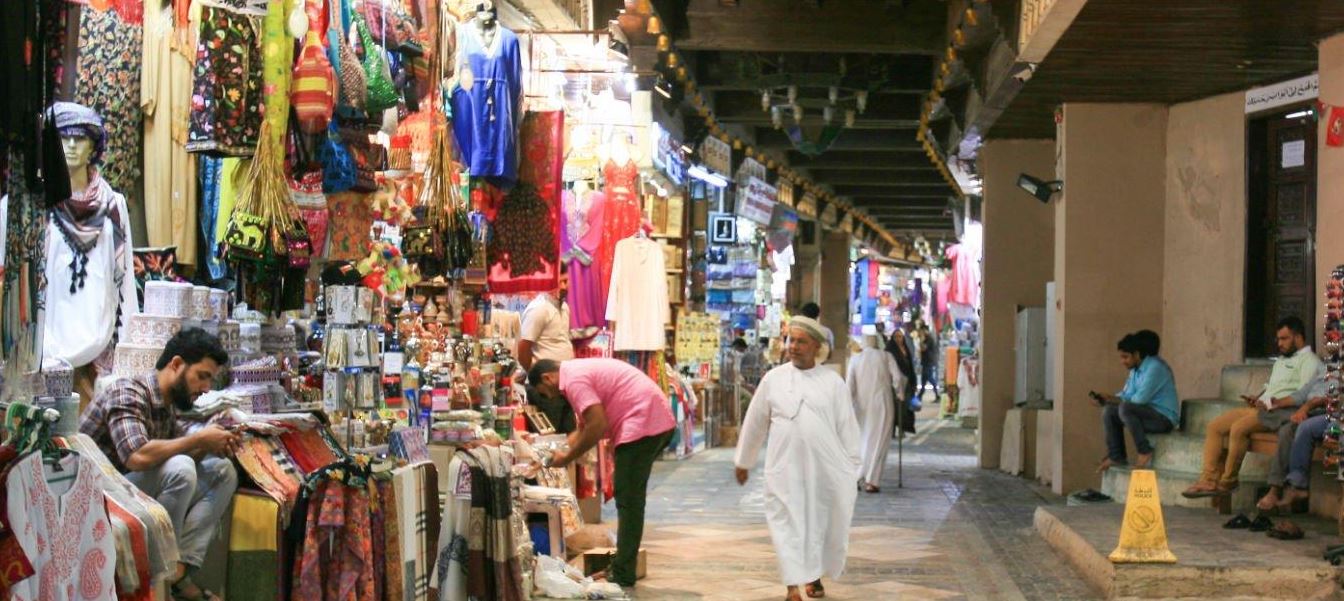
Also named Al-Dhalam, this oldest Arab Market has been a supply center of daily life requirements for the Omanis since the 1960s. The dark and crowded Market comprises countless craftwork shops, textiles, incense, jewelry, pottery, pipes, garments, fruits, and vegetables. The narrow spiraling alleys create an allure to the whole Market, thus comes enjoyment for the shoppers.

Timings: 8 am to 1 pm
4 pm to 10 pm (On Friday, the Market is operational only in the afternoon)

Bait Al Zubair

Situated in Muscat City, this private museum houses historical items belonging to Oman’s cultural, military, and social past. Opened in 1998, this architectural complex has an extensive collection of artifacts like jewelry, weapon, household goods, khanjars, and costumes Of Omani culture.

Timings: Thursday to Saturday from 9.30 am to 6.00 pm
Entry fee: Child: OMR 1, Adult: OMR 2

National Museum of Oman

Mutrah Fish Market

Visit the vibrant land of Muscat between October to March. During these months, you will get pleasant weather for exploring the place and make your trip super comfortable. Choose the most suitable tour package from the comprehensive offerings and spend an unforgettable holiday that makes you feel refreshed. The packages are designed exquisitely according to the unique needs of travelers. So, without further waiting, avail the most personalized holiday package and shape your itineraries as you wish.

Ask for a quote